Sagaing
Sagaing
A former royal capital on the Irrawaddy, Sagaing aligns over five hundred pagodas and monasteries on a wooded hill. A vibrant Buddhist center, twenty kilometers from Mandalay.
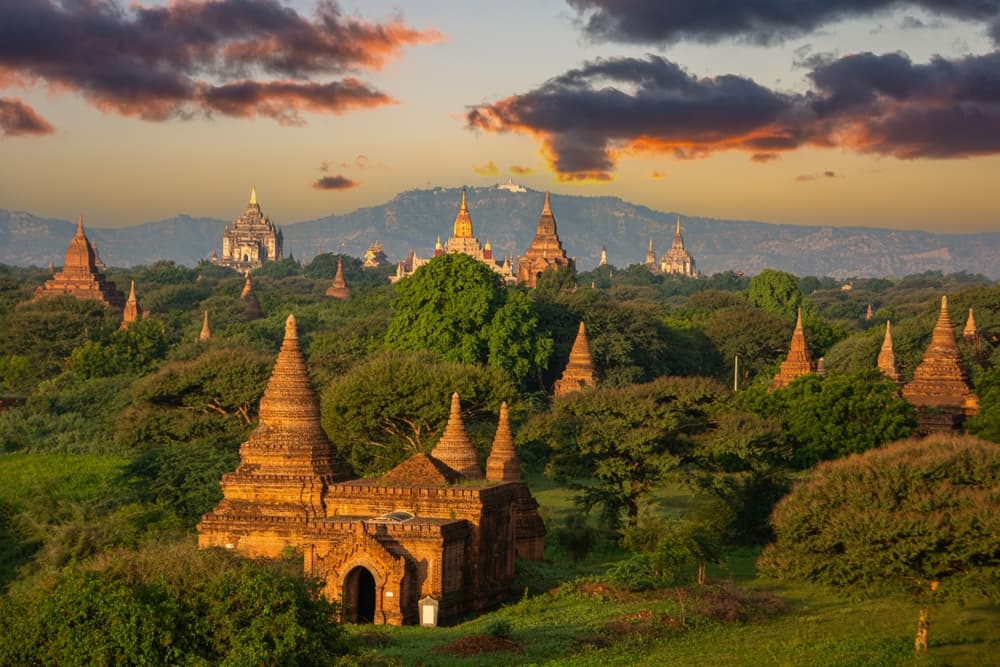
Sagaing rises on the western bank of the Irrawaddy, roughly twenty kilometers from Mandalay. Once a royal capital, Sagaing Hill today hosts over five hundred Buddhist pagodas and monasteries visible from the bridge spanning the river. This site remains a living spiritual center, inhabited by thousands of monks and nuns, far from museum-like atmosphere.
Practical Information at a Glance
- Access: from Mandalay by taxi, motorcycle taxi or bicycle (approximately 20 km); the Sagaing Bridge is passable by car and motorbike.
- Recommended duration: half-day to full day depending on the number of pagodas visited.
- Dress code: shoulders and knees must be covered in all places of worship; remove shoes at pagoda entrances.
- Best time: early morning for light and the monks' alms-seeking procession.
What to See
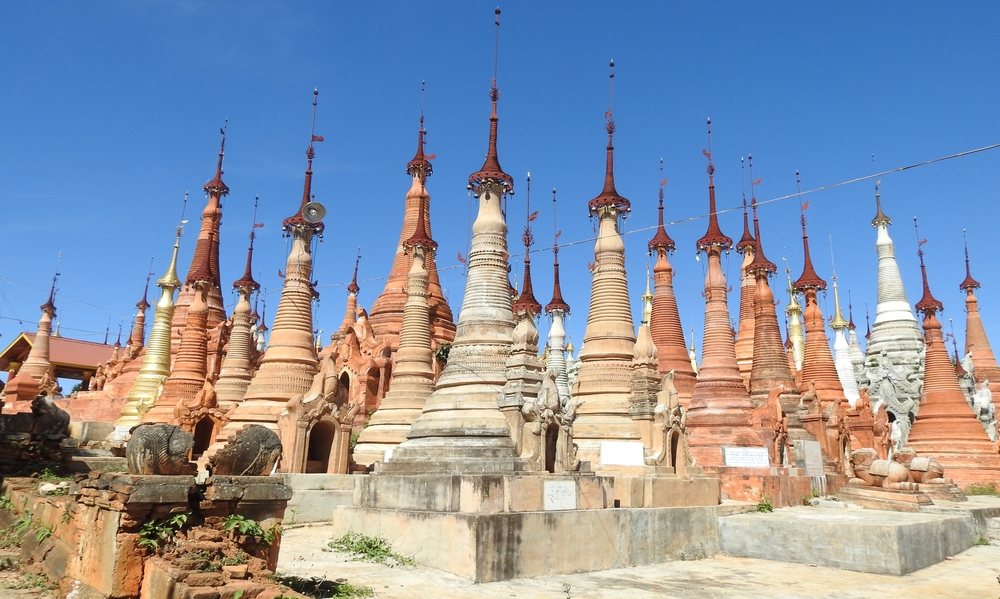
Sagaing Hill is dotted with white and golden stupas emerging from tropical vegetation. The Soon U Ponya Shin Pagoda, perched at the summit, offers panoramic views over the river and surrounding hills. The Kaunghmudaw Pagoda, with its massive hemispherical dome inspired by Sri Lankan style, stands a few kilometers to the north. The streets between monasteries bustle with the comings and goings of the religious.
History and Context
Sagaing was the capital of the Shan Kingdom in the 14th century, then briefly the Birmanie capital in the 18th century after Ava's destruction. The city maintains major spiritual importance: it hosts one of the highest concentrations of Theravada Buddhist monasteries in the country. During World War II, the Sagaing Bridge was a strategic point during the Allied forces' retreat before the Japanese advance.
Highlights of Your Visit
The Soon U Ponya Shin Pagoda
Accessible by a covered staircase from the base of the hill, this pagoda offers the most celebrated viewpoint over the Irrawaddy and the multitude of white stupas dotting the wooded slopes. The atmosphere here is contemplative, frequented mainly by local devotees.
The Kaunghmudaw Pagoda
Its white spherical dome, unusual in Birmanie architecture, measures approximately 46 meters in height. Built in the 17th century under King Thalun, it is said to tradition to contain relics of the Buddha. The site is surrounded by 812 small stupas arranged in concentric circles.
The Monks' Procession at Dawn
Each morning, hundreds of monks and novices walk the alleys in file to collect their food offerings. This sober, daily moment illustrates the religious vitality of Sagaing better than anything else.
The Sagaing Bridge
This metal bridge over the Irrawaddy offers an unobstructed view of the hill and its pagodas at sunset. It is also a crossing point for residents of both banks, bustling with carts, motorcycles and pedestrians.
Etiquette and Visiting Rules
- Remove shoes and socks before entering any sacred precinct.
- Dress modestly: shoulders and knees should be covered.
- Avoid pointing your feet toward Buddha statues or monks.
- Do not touch monks, particularly if you are a woman.
- Speak quietly inside places of worship.
Photography Tips
The golden morning light, between 6 a.m. and 8 a.m., is ideal for photographing the stupas from the hilltop. Sunset from the Sagaing Bridge creates warm reflections on the river and white domes. Always ask permission before photographing monks or nuns.
Location and Access
Sagaing is located on the western bank of the Irrawaddy, approximately 20 km southwest of Mandalay. The road from Mandalay is accessible by taxi, motorcycle or bicycle. The Sagaing Bridge connects the two banks. No direct regular public transport is established from Mandalay city center; a taxi or rental vehicle remains the most convenient option. Wheelchair accessibility to hilltop pagodas is limited due to stairs.
Nearby Attractions
- Mandalay — the neighboring major city concentrates the royal palace, Mandalay Hill and craft markets.
- Inwa (Ava) — a former royal capital accessible by ferry from Sagaing, with wooden monasteries and ruins.
- Amarapura — famous for the U Bein Bridge, the world's longest teak bridge, just a few kilometers south of Mandalay.
- Mingun — accessible by boat from Mandalay, this site houses a colossal unfinished stupa and the world's largest uncracked bell.
Frequently asked questions
The dry season, from October to February, offers bearable temperatures and clear skies. Avoid the monsoon (June-September) for walking excursions on the hill.
Yes. Sagaing easily combines with Inwa and Amarapura in a full day trip from Mandalay, provided you start early in the morning.
A local guide is not essential for the main pagodas, but it facilitates understanding the historical context and access to monasteries less frequented by foreign visitors.
The pagodas accessible on foot are suitable for children in good physical condition. The hill's stairs can be tiring for very young children.
Pagodas and panoramas are photographable without particular restrictions. For people (monks, nuns, residents), always ask permission beforehand.
Want to discover this destination?
Our local advisors design your tailor-made trip.