Shan State
A vast mountainous plateau in eastern Myanmar, Shan State brings together Inle Lake, Kalaw treks, Palaung villages and rotating ethnic markets within a landscape of rice terraces and pine forests.
Shan State occupies the eastern third of Myanmar, sprawling across a vast mountainous plateau that rises between 1,000 and 2,500 metres in altitude. Bordering China, Laos and Thailand, it is home to a mosaic of ethnic groups — Shan, Pa-O, Palaung, Intha, Danu — whose rotating markets, golden pagodas and stilt villages create a uniquely layered human landscape. Inle Lake, the hills of Kalaw and the town of Hsipaw serve as its most accessible gateways.
Practical information at a glance
- Main access: flight Yangon–Heho (airport serving Inle Lake and Kalaw); overnight buses from Mandalay or Yangon to Taunggyi or Hsipaw.
- Recommended duration: 5 to 10 days to cover Inle Lake, Kalaw and a third site.
- Dress code: shoulders and knees covered in pagodas; warm clothing essential at altitude (November–February).
- Best season: October to February (dry season, cool temperatures at altitude).
- Currency: Myanmar kyat; cash necessary outside major cities.
What to see
The Shan plateau unfolds terraced rice paddies, pine forests and misty valleys. Inle Lake concentrates floating gardens, distinctive leg-rowing fishermen and stilt monasteries. Kalaw is the starting point for treks to Pa-O and Danu villages. Hsipaw, further north, offers hikes to nearly isolated Palaung hamlets. The rotating markets — which change villages every five days — remain the best window into the region's ethnic diversity.
History and context
Shan territory was long governed by local princes, the saopha, who retained broad autonomy under British rule. At Myanmar's independence in 1948, Shan State joined the Union with federal guarantees, though tensions between Naypyidaw and ethnic armed groups have marked its modern history. Certain zones remain subject to travel restrictions; check travel advisories before venturing beyond established tourist circuits.
Highlights of your visit
Inle Lake
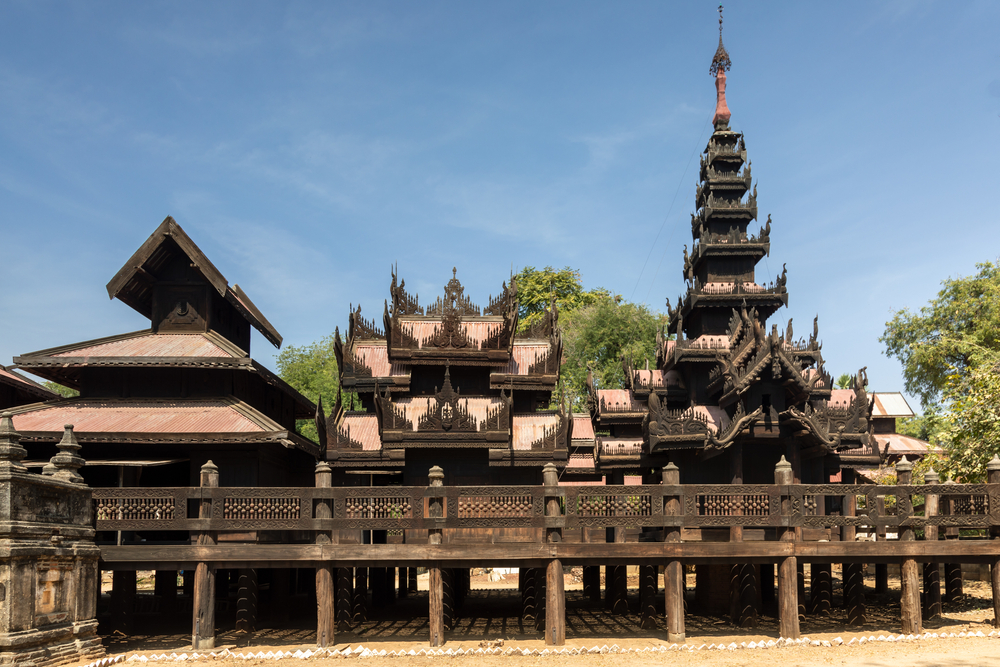
Perched at around 880 metres, Inle Lake is the tourist heart of Shan State. The Intha fishermen here practise a distinctive leg-rowing technique. Floating gardens produce tomatoes and lotus flowers. The Nga Phe Kyaung monastery, entirely of teak, deserves a longer stop.
Kalaw and its treks
A former British hill station, Kalaw serves as a base for two- to three-day treks to Inle Lake through Pa-O and Danu villages. The trails cross pine forests and tea plantations. Local guides are essential for reaching the most remote hamlets.
Hsipaw
A small town in northern Shan State, Hsipaw draws travellers for its hikes to Palaung villages and for the train journey from Mandalay, which crosses the Gokteik Viaduct — a colonial metal structure suspended above a vertiginous canyon.
The rotating markets
Each market returns to the same village every five days. Pa-O women in black turbans, Palaung vendors in embroidered jackets, fermented green tea merchants (lahpet): these markets are the economic and social pulse of the region.
Etiquette and visit guidelines
- Remove shoes and socks before entering any pagoda or monastery.
- Dress modestly (shoulders and knees covered) in places of worship.
- Always ask permission before photographing people, particularly in ethnic villages.
- Certain areas of Shan State require special permits; check with a local agency before venturing beyond authorised circuits.
Photography tips
The golden morning light over Inle Lake, between 6 and 8 a.m., is ideal for photographing fishermen in the mist. The rotating markets offer richly coloured portraits mid-morning. At altitude around Kalaw, terraced rice paddies are most photogenic in the rainy season (June–September), when they are flooded and reflective.
Location and access
Shan State borders China to the north-east, Laos to the east and Thailand to the south-east. Heho airport serves the Inle Lake and Kalaw area from Yangon and Mandalay. The Mandalay–Hsipaw road is navigable by bus or train. The Mandalay–Hsipaw train journey, which crosses the Gokteik Viaduct, is an experience in itself. From Mandalay, allow several hours travel depending on your destination.
Nearby attractions
- Inle Lake — the beating heart of Shan State, with its stilt villages and floating gardens.
- Kalaw — launching point for ethnic treks to Pa-O and Danu villages.
- Hsipaw — peaceful northern town, gateway to Palaung villages and the Gokteik Viaduct.
- Gokteik Viaduct — colonial railway bridge suspended above a canyon, on the Mandalay–Hsipaw line.
- Mandalay — Myanmar's last royal capital, the main hub for reaching Shan State.
Frequently asked questions
The dry season, October to February, offers clear skies and pleasant daytime temperatures. At altitude, nights can be cool, even cold in December–January. Pack warm clothing.
The main tourist zones (Inle Lake, Kalaw, Hsipaw) are generally accessible without additional permits. Certain border or remote areas require authorisation. Check current restrictions with a local agency before you travel.
Buses, shared minibuses and taxis are common options between Heho, Taunggyi, Nyaungshwe (Inle Lake) and Kalaw. The train remains the most scenic way to reach Hsipaw from Mandalay.
Yes, it's the classic circuit: a two- to three-day trek from Kalaw to Inle Lake, passing through ethnic villages. Arrange a local guide for this route.
There is no blanket prohibition, but respect is essential: always ask permission before photographing people. In pagodas and monasteries, check local notice boards for any restrictions.
The situation varies by area and evolves quickly. Consult your government's travel advisories before departure, and favour tours organised by local agencies familiar with the terrain.