Yangon
Yangon
Golden pagodas, colonial heritage, circular train and tea shops: everything you need to visit Yangon, Myanmar's former capital, in 2 or 3 days.
Birthplace of the iconic Aung San Suu Kyi, come and visit Yangon, Myanmar's largest city! Once known as Rangoon, Yangon embodies the characteristics of a major Burmese metropolis, blending urban charm with modernity. Thousands of colonial buildings, golden pagodas, skyscrapers, mosques, museums, beaches… the former capital of Myanmar holds countless attractions.
Located at the confluence of the Bago and Myitmaka rivers, close to the Gulf of Martaban and the Andaman Sea, Yangon preserves a rich legacy of British colonisation. Between the bustling atmosphere of the city centre and the serenity of its leafy avenues, the contrast is striking.
A Brief History
The Founding of Yangon
This territory was initially just a small fishing village of the Mon people called Dagon. Around the middle of the 18th century, King Alaungpaya decided to conquer it. It was then that the city of Yangon was founded. The name Yangon is formed from the word "yan" (enemy) and the word "koun" (lack of), and can be translated as "end of conflict".
Rangoon, the British Colony
Former Burma had Yangon as its colonial capital. After independence, the city retained its status as capital until 2005, when the Burmese state decided to move the capital to Naypyidaw. Yangon's former name was only adopted recently, in 1989. Before that date, the city was known as Rangoon. During the colonial era, the city was on par with major European cities. Its colonial buildings are considered the most important in Southeast Asia.
Yangon Today
Yangon is home to approximately 6 million inhabitants. The economic and intellectual capital of former Burma, the metropolis is also renowned as a true paradise for international investors.
A Stroll Through Popular Neighbourhoods
A cosmopolitan city, Yangon has several well-known neighbourhoods such as Chinatown, the Indian quarter, Bahan and Dagon. But the most captivating is the colonial quarter with its gems of colonial buildings. If you enjoy bustling atmospheres, Chinatown will surely surprise you. Fancy tasting Tamil thali or delicious chinjabi? Head to the Indian quarter. Nature lovers should absolutely visit the Bahan neighbourhood and its natural sites: Kandawgyi Lake, Bogyoke Aung San Park and the city zoo. To see Yangon's historical heritage, nothing beats a visit to Dagon.
What to Do in Yangon?
Yangon abounds with colonial structures, museums, Buddhist monuments and religious buildings. The most appealing museums are the Museum of History and Ancient Arts of Burma, the Gems and Jewellery Museum, and Bogyoke Aung San.
After visiting the city and its numerous attractions, you can enjoy your evening by going to the cinema or tasting different Burmese specialities. Fancy a bit of relaxation? You can escape to the beaches located just a few kilometres from the city. The most well-known are Chaungtha Beach and Ngwe Saung Beach.
Must-See Attractions in Yangon
If you're passing through Yangon, be sure to visit these treasures:
Shwedagon Pagoda
Perched atop Singuttara Hill since the 6th century, Shwedagon Paya is a grand stupa that welcomes countless pilgrims. Housing 8 hairs of Buddha, this pagoda stands out for its gleaming shine, bell-shaped form and thousands of ornaments in solid gold plaques. Shwedagon is filled with precious stones, including the great central emerald, rubies, sapphires, diamonds and topazes.
Sule Pagoda
Located in the heart of the city, Sule Pagoda is a very ancient Buddhist temple. With an octagonal shape, it stands out for its golden-hued dome.
Botahtaung Pagoda
Erected on the banks of the Yangon River, Botahtaung Pagoda houses hairs of the Awakened One. This temple covered with gold leaf conceals a masterpiece of great beauty. You must enter to truly admire its splendour. A must-see site!
Kandawgyi Lake
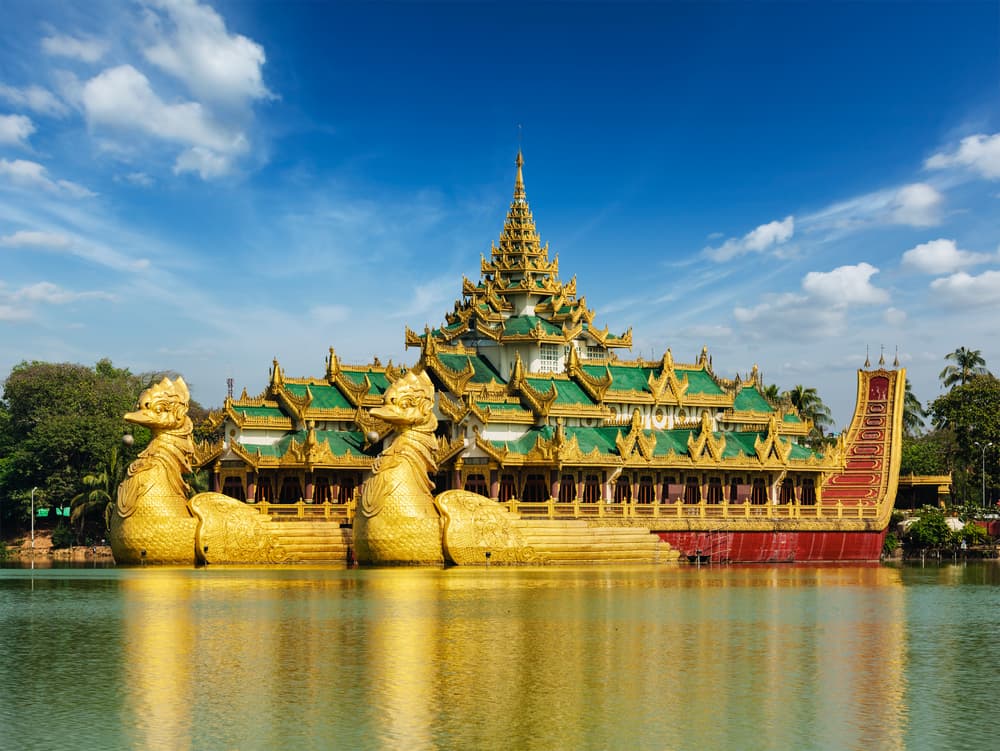
Once known as Royal Lake, Kandawgyi is one of Yangon's great lakes. Surrounded by a park of the same name, this lake is an artificial basin created during the colonial era. Nearby is nestled the zoological park and the beautiful Shwedagon Pagoda. To the East stands the Karaweik, a replica of a royal barge.
The Colossal Buddha Statues
If you've never seen a reclining Buddha, Chauktatgyi Temple houses one of immense size. Nga-htat-gyi Temple, meanwhile, is home to the sculpture of a giant seated Buddha.
People's Park and Square
For nature enthusiasts, this park is worth a detour. In addition to discovering the zoological gardens, you'll be able to enjoy the tranquil atmosphere of the place.
The Circular Train
3 hours of pleasure aboard the circular train to contemplate the city's landscapes… By taking this train, you'll have the opportunity to discover Yangon's true face. An experience not to be missed!
Climate in Yangon
Yangon enjoys a savanna climate characterised by the monsoon. During winter, there is less rainfall. Showers are conversely overwhelming in the summer season. Average precipitation is 1178 mm. On average, the temperature in Yangon is 27°C.
To discover Yangon and its wonders, the months from November to February are the most favourable. During this period, the sun is not too intense and showers are rare.
A fairly developed metropolis, Yangon has several transport infrastructures. To get there, you have several options:
Flying
Despite its rather high cost, flying is the fastest means of transport to reach Yangon. Mingaladon International Airport is located north of the city, about half an hour's drive away. Several airlines serve the city, including Myanmar National Airlines, Yangon Airways, Vietnam Airlines, Thai Airways, Malaysia Airlines, Air Asia, Mann Yatanarpon Airlines, and more. You can take a taxi from the airport to reach the city centre.
Distance between Bagan and Yangon: 500 km as the crow flies
Distance between Mandalay and Yangon: 575 km as the crow flies
Taking the Train
Several railway lines connect Yangon to other major cities in Myanmar:
A train journey allows you to enjoy the beauty of the landscapes. Yangon railway station is located just next to Sule Paya.
Travelling by Coach
The Aung Mingalar Highway bus station is located north of Yangon. Taking a bus is the most affordable option if you're near Yangon. The journey can still be tiring, especially if you're travelling with children.
Opting for a Boat Journey
Departing from Mandalay, you can reach Burma's former capital by river. For a small adventure aboard a luxury ferry, the Delta Queen offers you an unforgettable journey between Yangon and Pathein.
Travelling by Car
Renting a private car allows you to enjoy your trip in complete freedom and comfort.
To get around the city, you can take the bus, taxi, ride a bicycle or walk.
The Bus
Very economical, the bus is a practical way to explore Yangon.
The Taxi
The taxi allows you to save time during your visit. There are several types: regular taxi, motorcycle taxi, van taxi.
The Bicycle
Do you love cycling? In Yangon, many tourists opt for bicycle rental. The Dalah neighbourhood is the ideal spot for a two-wheeled ride.
Attractions in Yangon
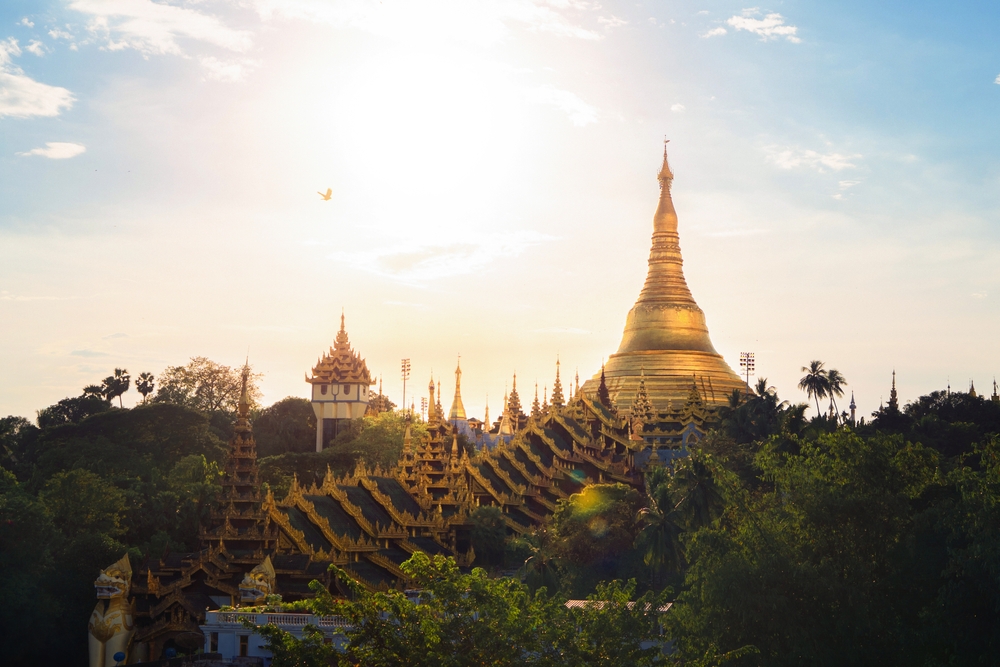
Pagode Shwedagon
La pagode Shwedagon domine Yangon depuis la colline Singuttara, à une quarantaine de mètres au-dessus de la ville. Son stupa central, recouvert de feuilles d'or et couronné d'un hti serti de milliers
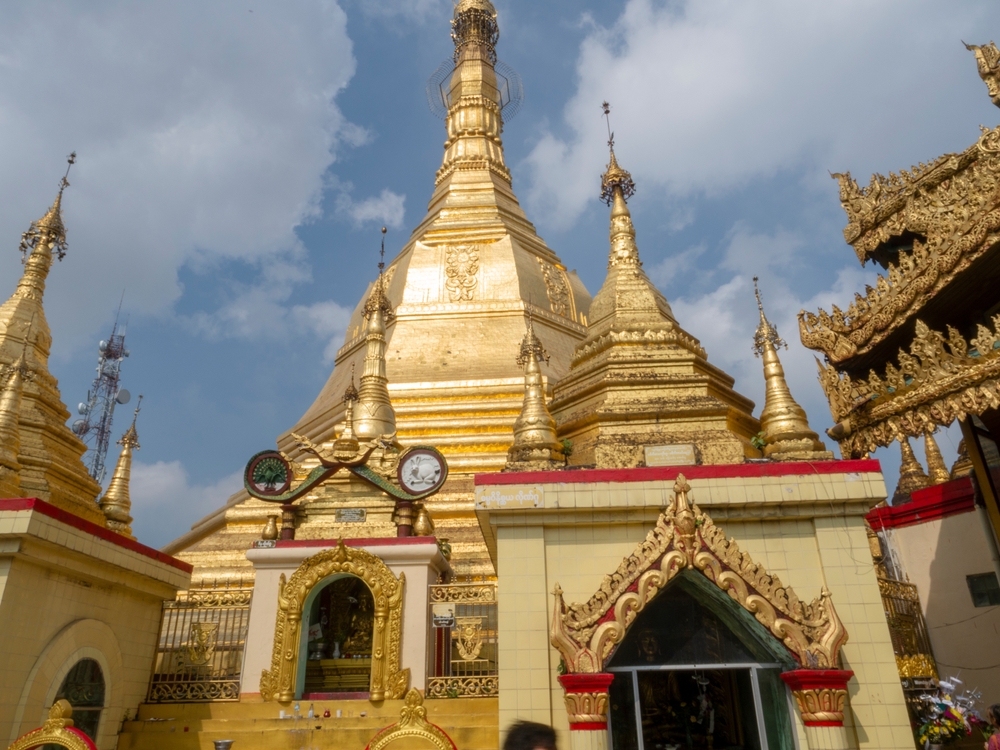
Sule Pagoda
Au cœur de Yangon, la pagode Sule s'élève à 44 mètres au milieu d'un rond-point animé. Vieille de plus de deux millénaires selon la tradition bouddhiste, elle a servi de point de repère géographique
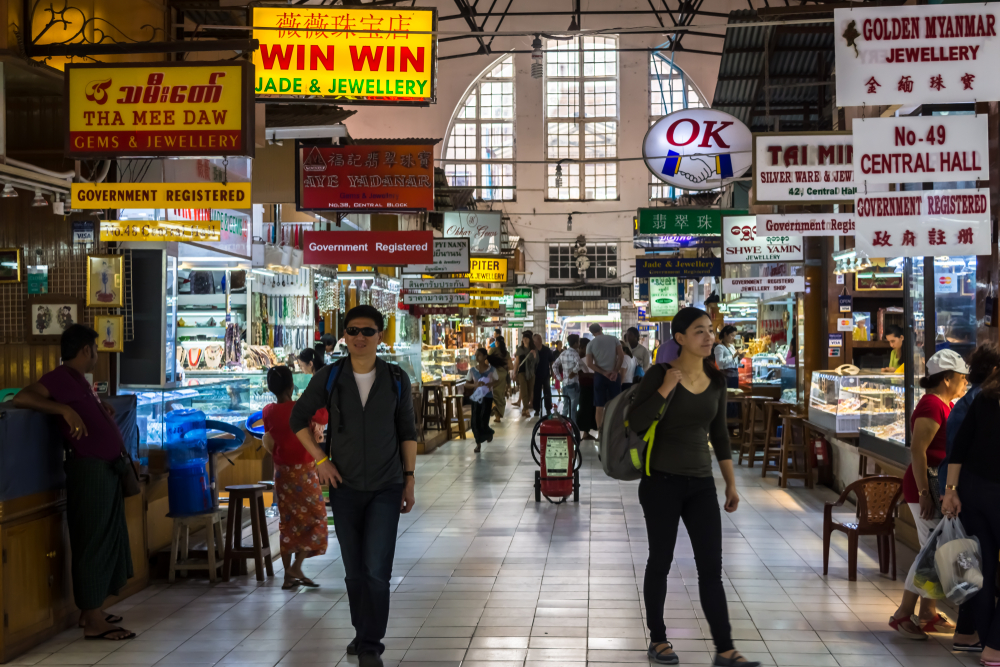
Marché Bogyoke
Le marché Bogyoke Aung San occupe l'un des bâtiments coloniaux les plus reconnaissables du centre de Yangon.
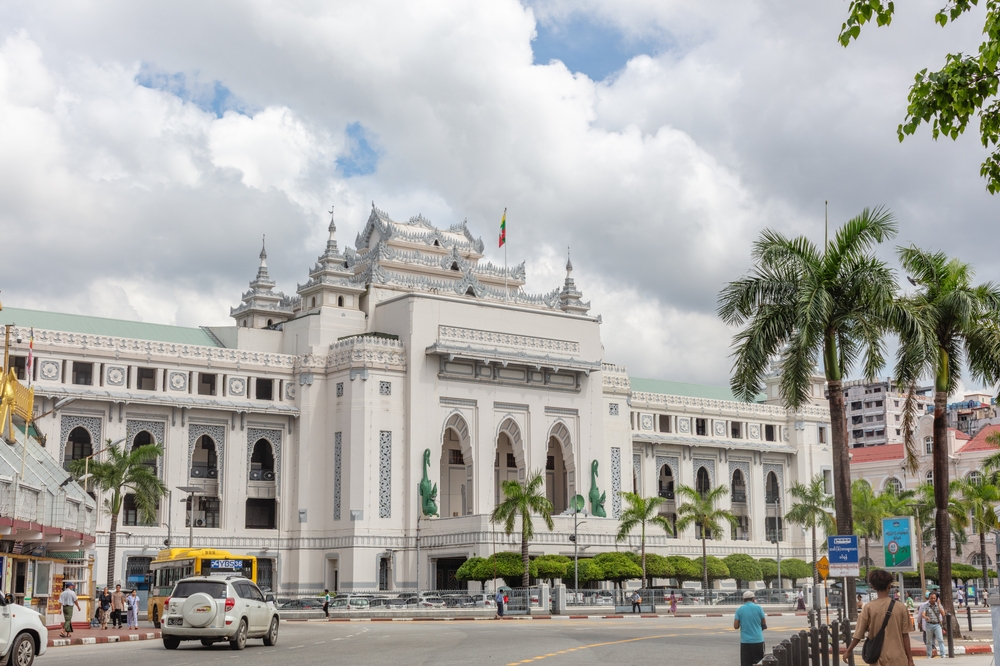
Quartier colonial de Yangon (Downtown Yangon)
Au cœur de Yangon, le quartier colonial concentre l'un des ensembles d'architecture britannique les mieux préservés d'Asie du Sud-Est. Entre la rivière Yangon et Sule Pagoda
Want to discover this destination?
Our local advisors design your tailor-made trip.