Pindaya
Pindaya
Perched at 1,200 meters on the Shan plateau, Pindaya conceals a cave housing 8,000 golden Buddhas, an artisanal village, and little-known trekking trails.
Introduction
Perched at 1,200 meters elevation, the town of Pindaya ranks among Birmanie's most stunning destinations, renowned for its Buddhist caverns adorned with thousands of statues overlooking the Pone Taloke Lake. Known as the home of the Danu, Pa-Oh, and Palaung peoples, this former hill station in Shan State has become a site of pilgrimage for Buddhist practitioners throughout Myanmar.
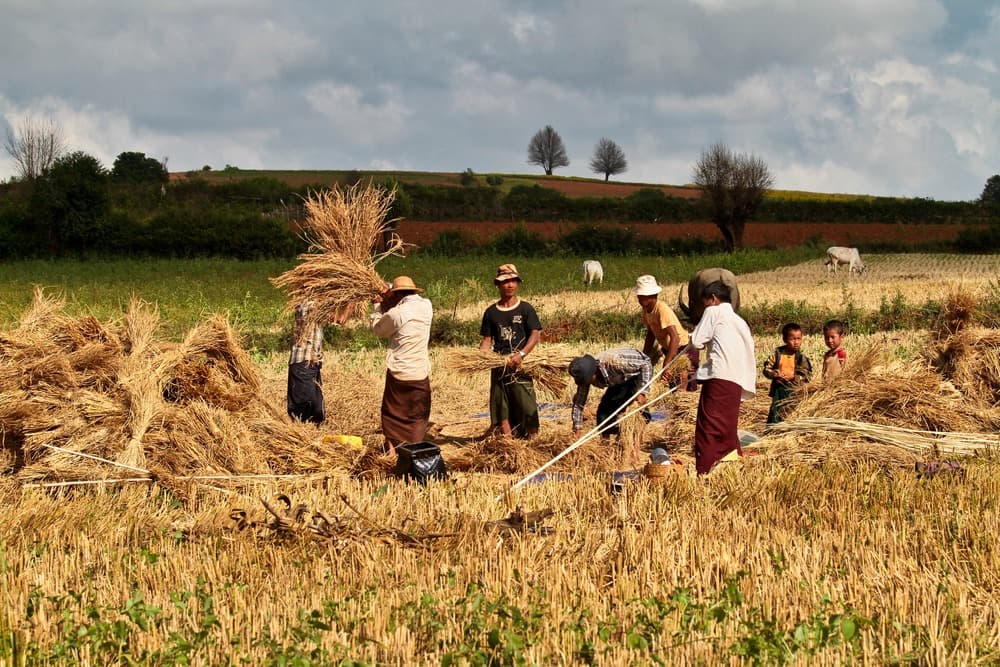
The road to Pindaya reveals picturesque and sumptuous landscapes, often featured on postcard scenes. The village embodies the dreamy essence of Burmese countryside, a tapestry of wheat fields and wooded hills dotted with small hamlets.
A Legend of Pindaya
Pindaya's name draws inspiration from a local legend. The tale recounts how seven princesses came to Pindaya to bathe in Pone Taloke Lake. So captivated by the setting, they lost track of time. As night fell, exhausted, the princesses took shelter in the lakeside cave. But sleep overtook them, and a colossal spider captured the unfortunate princesses. Fortunately, a brave prince arrived just in time to save them. Armed with bow and arrows, the prince slayed the cave's monster and rescued the seven princesses. Overjoyed, the prince cried out « Pinku Ya-Pyi » or « I have slain the spider ».
Originally called Pinku Ya, then Pintara, the village eventually became known as Pindaya. This legend inspired the spider and archer prince statues at the entrance to Shwe Oo Min cave.
Pindaya Today
The Umbrellas of Pindaya
Famed for its paper and umbrellas known as Pindaya Shan umbrellas, this village stands apart from other settlements in Shan State. These handcrafted objects are made from mulberry fibers and clay. The lovely traditional papers of Pindaya are adorned with leaves and flower petals. Always crafted by hand, these umbrellas define the village's reputation. To create them, artisans use mulberry papers combined with bamboo stems and wood.
The Local Market
Held every five days in the heart of the town, the Pindaya market serves as a gathering place for all surrounding ethnicities. It's the ideal time to meet locals and purchase authentic souvenirs.
Trekking Off the Beaten Path
Adventure seekers and hiking enthusiasts will appreciate the excellent trekking route between Kalaw and Pindaya. You can also enjoy shorter hikes through nearby villages. For instance, you might explore tea plantations on Pindaya's heights. Beyond the captivating landscapes, these excursions reveal the lifestyle of local ethnic minorities. For safe trekking, always hire a qualified guide.
Pindaya Cave Festival
Five days of celebration! The festival honors the harvests of Shan State farmers. Held during the full moon in March, this festival draws tourists and locals alike. Sales proceeds benefit Buddhist monks.
What to See in Pindaya?
The Legendary Golden Cave: Shwe Oo Min
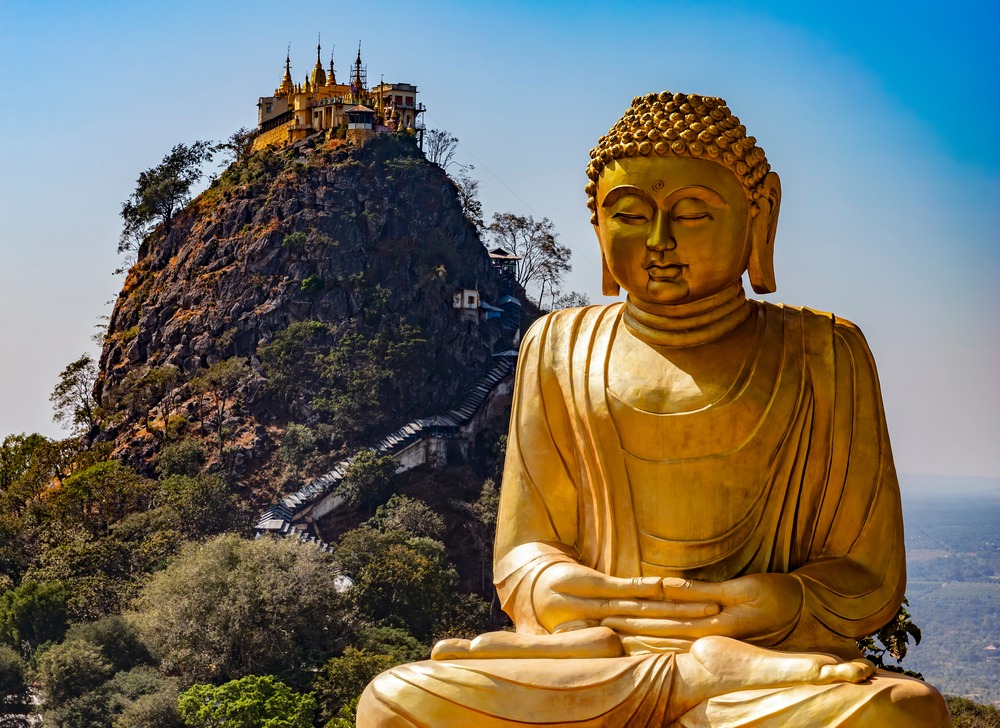
The region's natural caverns sit high atop a mountain. After an uphill drive, you can climb the stairway leading directly to the sacred caves. From there, the views prove genuinely spectacular.
These karstic caves owe their reputation to approximately 8,000 Buddhas adorning the cave interiors. Many of these statues are gilded in gold. An essential site in Pindaya, the Golden Cave holds sacred significance for pilgrims.
Entrance fee: 3,000 kyats
Photography fee: 300 kyats
Nin-ne Temajun Temple
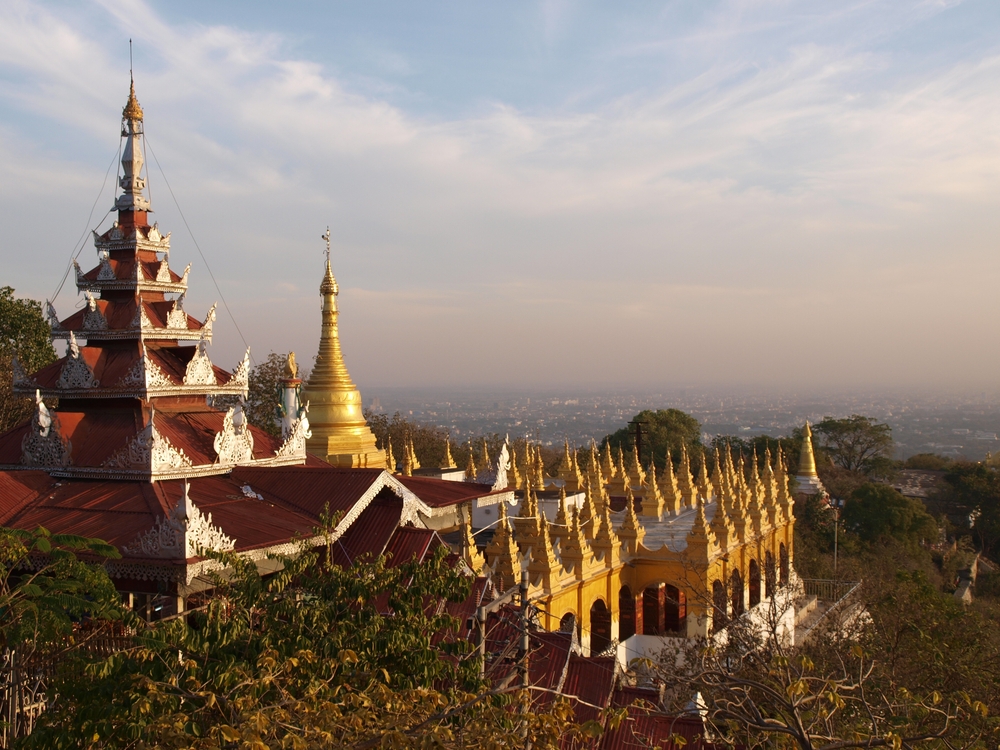
Strikingly beautiful from first sight, this temple features several impressive golden stupas. It nestles in the heart of the charming town.
Hsin Khaung Taung Kyaung Temple
Erected near Shwe Oo Min, along the path to Pone Taloke, this 19th-century structure is flanked by ancient ruined stupas. Built with fine teak, the monastery functions as a Buddhist place of worship.
Kan Tu Kyaung Temple
This decorated shrine features golden stupas crowned with ringing bells.
Climate in Pindaya
Like most central Myanmar towns, Pindaya experiences desert-type climate conditions. The best visiting season runs from November through April, when temperatures remain mild.
With an average temperature of 28.1°C, Pindaya remains consistently warm.
During summer, rainfall intensifies compared to winter months. January ranks as the driest month of the year, while August brings persistent rain. Annual average precipitation registers 418 mm.
From Kalaw to Pindaya (49 km)
49 kilometers separate the two towns. Several options exist for traveling from Kalaw to Pindaya:
- Taxi: Very convenient and reasonably fast, taxis reach Pindaya in approximately one hour.
- Motorcycle: Ideal for solo travelers. Motorcycle travel is swift and offers greater freedom. You can rent from taxi-motorcycle drivers.
- Taxi-motorcycle: More economical than a car taxi, this option proves very worthwhile. You can make a brief stop in Aungban, where public transportation remains quite affordable.
- Pickup truck: More comfortable, the pickup truck provides the best option if you're carrying substantial luggage.
From Inle Lake to Pindaya (91 km)
Departing from Inle Lake, you can reach Pindaya by:
- Taxi: The drive takes approximately two hours, depending on your pace.
- Bus: This transport method is slower but more economical.
From Heho to Pindaya (35 km)
When traveling from Heho Airport to Pindaya, car travel remains the sole available option. You can either take a taxi or rent a vehicle.
Given the village's modest size and proximity of attractions, Pindaya can easily be explored on foot. Alternatively, a motorcycle, scooter, or bicycle will allow faster exploration of Pindaya's sites.
Want to discover this destination?
Our local advisors design your tailor-made trip.