Kalaw
Kalaw
Perched at 1,300 m in Shan State, Kalaw blends British colonial heritage, ethnic markets and the legendary trek to Inle Lake. Our complete guide.
Introduction
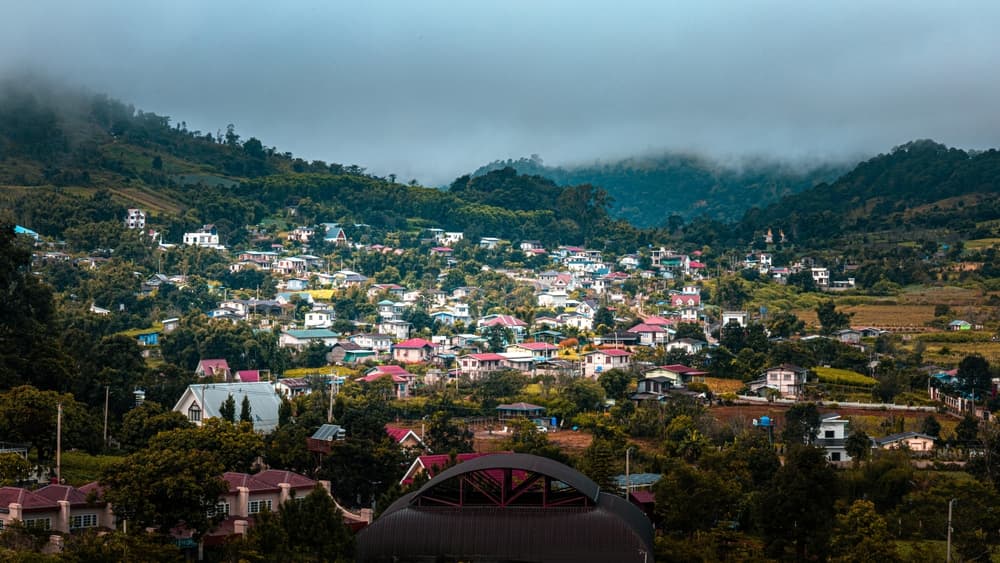
Nestled atop a mountain at approximately 1,300 m altitude, the village of Kalaw and its panoramic vistas are undeniably breathtaking. Located west of Shan State, this relic of the colonial era is an unmissable trekking destination in Myanmar.
A British colonial legacy, the small town of Kalaw enjoys a strikingly verdant setting. Beyond the old railway station, numerous colonial mansions still stand today and define the village's charm. To the east flows a stream that feeds into Inle Lake. With its idyllic scenery, Kalaw proves to be the perfect place to escape the everyday.
History of Kalaw
Historically, Kalaw served as a pilgrimage site for Buddhist practitioners. The name Kalaw derives from the fact that the village is surrounded by a chain of mountains on all four sides.
The British colonial station
Kalaw hosted a colonial station during British rule. Villagers were then compelled to participate in the construction of railway lines. These infrastructure projects, dating back more than a century, remain visible in Kalaw and are still operational today.
During World War II, Kalaw's city center was devastated by brutal bombing campaigns by the Japanese, who sought to annex eastern Shan State.
Kalaw Today
The market operates daily in the northern part of the village: the Myoma Market. Tourists can purchase local products and even find souvenirs.
Kalaw is home to ethnic minorities, Muslims, Hindus, Sikhs, and Nepalis who are descendants of colonial-era slaves. The village's primary activities include agriculture, livestock farming, and gold extraction.
The small town sits in close proximity to military installations. It is therefore quite possible to encounter military vehicles and officers in the village streets.
Kalaw, a trekking paradise
Are you a passionate hiker? This charming destination is the ideal meeting point for trekking. Many travelers depart from Kalaw heading toward Inle Lake, 70 km from the village. During this off-the-beaten-path excursion, you will have the opportunity to encounter the indigenous tribes inhabiting remote mountain villages (the Palaung, Pa-Oh, and Danu peoples).
If hiking doesn't appeal to you, it is also possible to horse trek through the mountainous regions of Shan State.
What to See in Kalaw?
Places of worship abound in the former English town. The main attractions in Kalaw and its surroundings are Buddhist architectural monuments.
Shwe U Min Pagoda
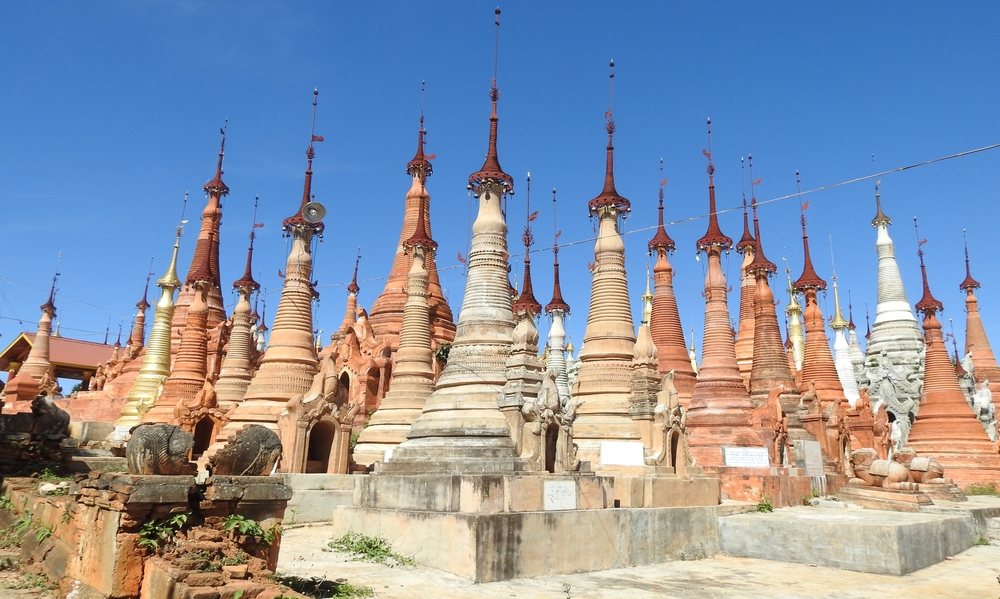
Located approximately 3 km from the village, this Buddhist temple complex houses a wealth of ancient stupas. You will also find small golden Buddha statues, tucked away within a cave.
Aung Chang Tha Stupa
Aung Chang Tha stands apart from other temples thanks to its radiant appearance. Located in the heart of the village, this stupa is gilded and mirrored, shining beautifully.
Thein Taung Temple and Monastery
Thein Taung Temple sits near Kalaw's city center. The temple once served as a rest spot for pilgrims and housed monks. A bamboo Buddha statue adorns this grand Buddhist temple.
Hnee Pagoda
Also called the Bamboo Pagoda, this small temple features a chime that rings every hour throughout the village. The structure also contains an ancient bamboo Buddha statue, carved approximately five centuries ago.
Christ the King Church
This building was constructed by the English. Other structures dating from the same period can also be discovered in the Shan hills, notably chalets.
Beyond its religious monuments, Kalaw offers other points of interest to explore in the surrounding area, including numerous trekking opportunities.
Green Hill Valley
Animal lovers, take note! This wildlife sanctuary is located a few kilometers from Kalaw. Untouched by mass tourism, Green Hill Valley is a wild park home to eight retired elephants. You can even care for the elephants by preparing their meals, feeding them, helping them bathe in the river, and petting them. A truly unique and unforgettable experience!
Climate
The village of Kalaw enjoys a warm temperate climate. Temperatures are cooler than in other nearby villages due to its altitude, with an average of 19°C. During the summer season, from May through October, rainfall is abundant. Winter, by contrast, is relatively calm. January is the driest and coldest month of the year, while August experiences the most precipitation.
Getting to Kalaw
By Bus
Bus travel is very convenient and quite affordable. Buses to Kalaw depart from Yangon, Bagan, and Mandalay.
By Train
The local railway station is located in the south of the village, just half a kilometer from the town center. Very economical, the train is an interesting alternative for reaching Kalaw from Yangon.
By Air
The nearest airport is at Heho, approximately one hour's drive from Kalaw. All major city airports such as Yangon and Mandalay airports are connected to Heho Airport.
This colonial town is not very large. You can explore it on foot, by horse, by bicycle, by motorcycle, by car, and more.
Want to discover this destination?
Our local advisors design your tailor-made trip.