U Bein Bridge
U Bein Bridge
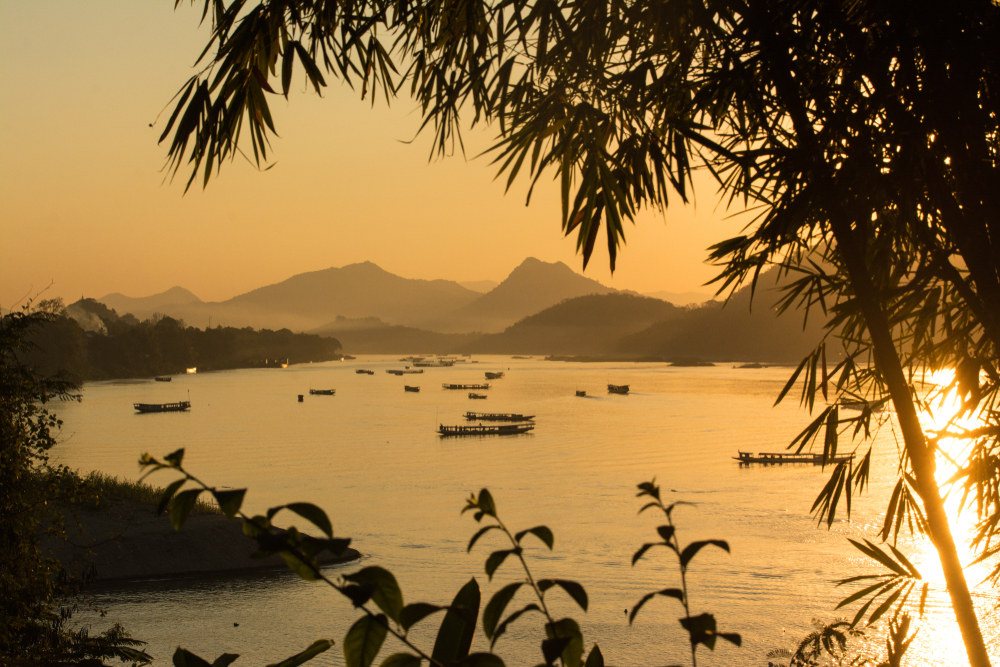
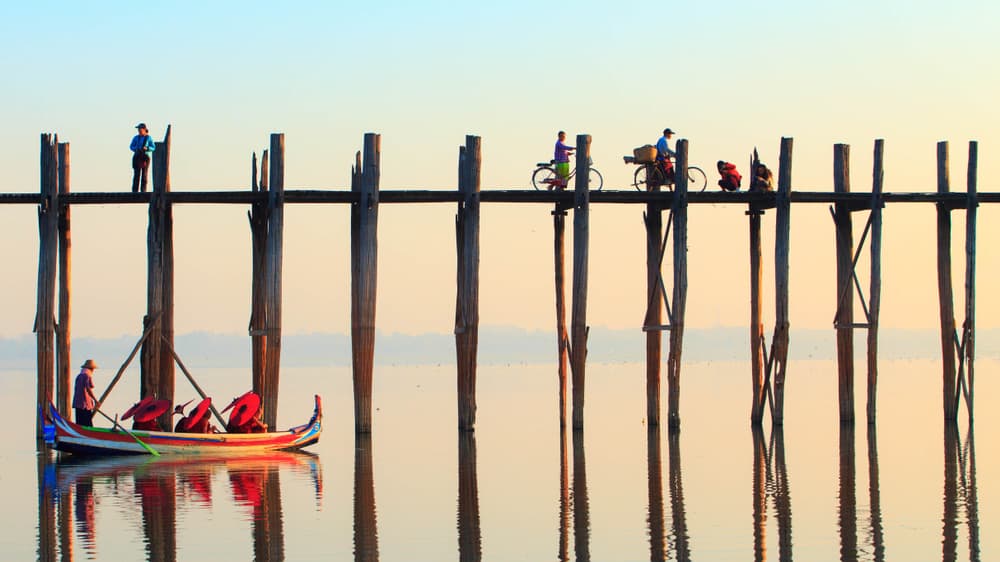
The U Bein Bridge spans Taungthaman Lake in Amarapura, near Mandalay. Built of teak around 1850, it offers a living spectacle at sunrise and sunset, with monks, fishermen, and reflections dancing on the water.
The U Bein Bridge spans Taungthaman Lake in Amarapura, roughly twenty kilometers south of Mandalay's center. Constructed entirely of teak, it stretches nearly one kilometer two hundred meters and ranks among the world's longest wooden bridges. Every morning and evening, monks, fishermen, and villagers cross on foot, creating a living tableau that photographers come from afar to capture.
Practical Info at a Glance
- Location: Amarapura, approximately 20 km south of central Mandalay — accessible by taxi, motorbike taxi, or bicycle from the city.
- Admission: Bridge access is free; a zone tourist fee may be collected at the site entrance.
- Recommended Duration: 1 to 2 hours, longer if you stay for sunset.
- Best Time: Sunrise or sunset for light and activity.
- Season: November to February (dry season); during the rainy season, the lake rises and the bridge becomes partially submerged—a different atmosphere, equally photogenic.
What You'll See
The bridge rests on over a thousand original and replacement teak pilings installed over the decades. The structure isn't perfectly straight—it follows the lake's gentle topography. Small temples and pavilions stand at both ends. On the water, fishermen navigate their boats by pole, sometimes just beneath the boards.
History and Context
The bridge was built around 1850 during the reign of King Pagan Min, on the initiative of mayor U Bein, after whom it was named. Much of the teak came from the dismantled palace of Inwa (Ava), relocated after the capital moved. Amarapura was then the kingdom's capital; the bridge connected the city to the Kyauktawgyi monastery.
Highlights of Your Visit
Walking Across
Treading over uneven planks, feeling the wood vibrate beneath the footsteps of saffron-robed monks—the crossing itself is the experience. Budget around twenty minutes to traverse it without hurrying.
Sunset from a Boat
Local boatmen offer short outings on the lake. From the water, the bridge's silhouette cuts across the orange sky—an angle impossible to capture from the bridge itself.
The Morning Activity
At dawn, monks from the nearby monastery cross in procession for alms collection. This is the most animated and authentic hour, before tour groups arrive.
Photography Tips
The low-angle light at sunrise and sunset is ideal. In late afternoon, position yourself on the lake's western side to backlight silhouettes on the bridge. A boat allows horizontal compositions with water reflections. During the rainy season, morning mist adds atmospheric depth. Avoid midday: harsh light, minimal activity.
Location and Access
Amarapura is reachable from Mandalay by taxi (30 to 40 minutes depending on traffic), motorbike taxi, or bicycle for the ambitious. The bridge sits at Amarapura's western entrance. It's often combined with visits to the Mahagandayon Monastery, just a few minutes' walk away, and the Inwa (Ava) site, accessible by ferry from Amarapura.
Nearby Attractions
- Mahagandayon Monastery — one of Birmanie's largest active monasteries, a few minutes' walk from the bridge.
- Inwa (Ava) — the former royal capital accessible by ferry, with monastery ruins and watchtowers.
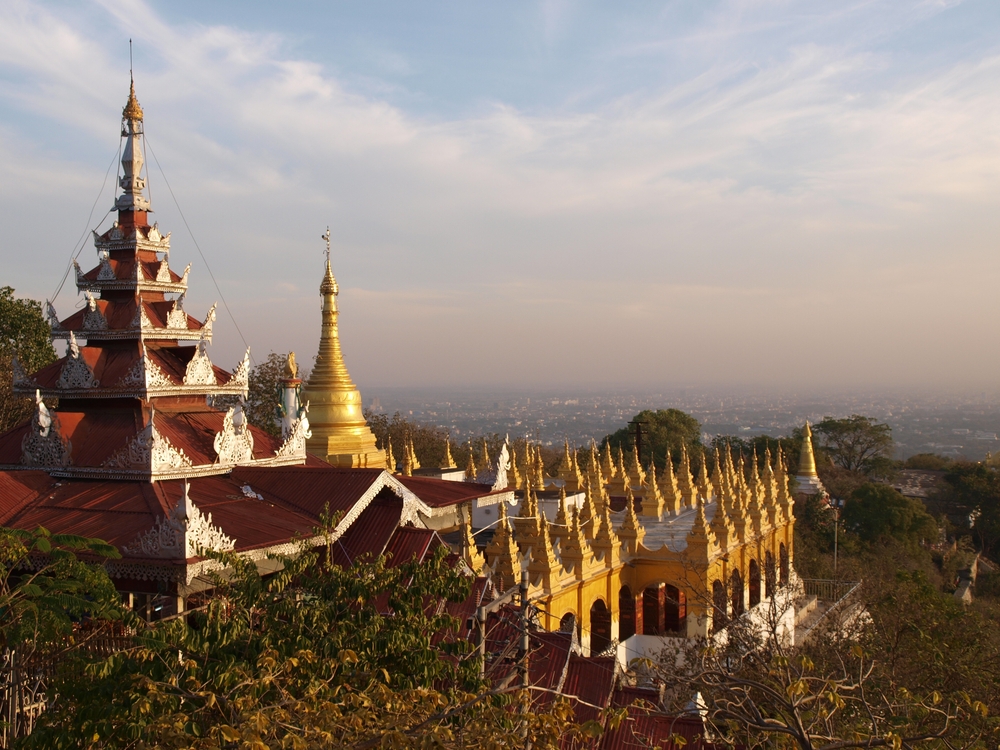
- Mandalay Hill — panoramic viewpoint over the Irrawaddy plains and surrounding pagodas.
- Mandalay Royal Palace — fortified compound of the last Birmanie kingdom, at the city's heart.
- Sagaing Hills — collection of pagodas and monasteries rising from the Irrawaddy's western bank.
Interested in this visit?
We can include it in your personalised itinerary.