Irrawaddy River (Ayeyarwady)
Irrawaddy River (Ayeyarwady)
The Irrawaddy flows through Myanmar for more than 2,000 km, from the northern mountains to the Bengal Delta. Between Mandalay and Bagan, a river cruise remains one of the country's most authentic experiences.
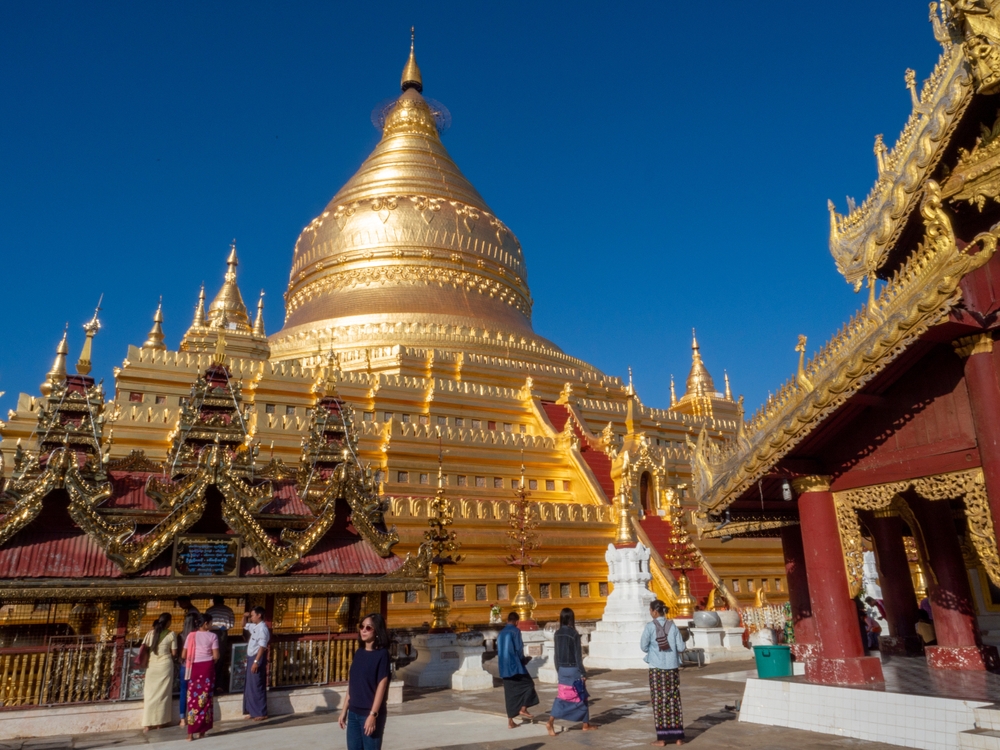
The Irrawaddy — officially Ayeyarwady — is the lifeblood of Myanmar. Stretching approximately 2,170 km, it flows through the country from north to south, from the Himalayan foothills to the delta opening onto the Bay of Bengal. Rice paddies, golden pagodas, fishing villages and cargo-laden barges punctuate its banks. To navigate this river is to read Burmese history and geography in their most direct form.
Practical information at a glance
- Main access points: embarkation in Mandalay, Bagan and Pyay depending on your chosen itinerary.
- Recommended duration: Mandalay–Bagan cruise by slow boat: approximately 10 to 12 hours; by speedboat: approximately 5 hours.
- Season: navigable year-round; high water from August to October, low water (visible sandbars) from January to April.
- Dress code: no dress restrictions on the river; bring effective sun protection.
What to see
The landscape changes with latitude. Between Mandalay and Bagan, clayey banks unfold beneath often hazy skies, punctuated by villages where potters shape jars right at the water's edge. Further south, towards Pyay, vegetation thickens and water buffalo come down to drink at dusk. In the delta, a network of channels replaces the single riverbed: endless rice paddies, coconut palms and motorised canoes.
History and context
The Irrawaddy shaped all of Myanmar's great kingdoms. Bagan, Ava, Sagaing, Mandalay: each capital established itself on its banks to control commerce and irrigation. The British exploited it from the 19th century onwards through the Irrawaddy Flotilla Company, one of the world's largest river fleets in its day. Today, the river remains an essential transport route for millions of Myanmar people.
Highlights of the journey
The Mandalay–Bagan crossing
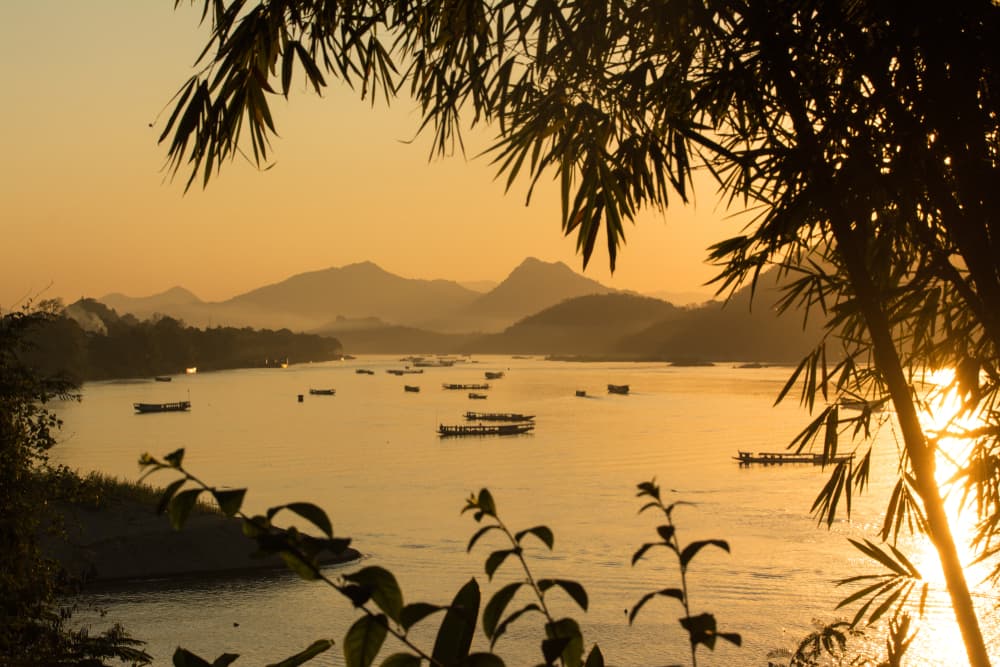
This is the most travelled section for visitors. The slow boat departs early in the morning and arrives in late afternoon. The sunset over the first silhouettes of Bagan's temples, seen from the deck, remains an image hard to forget.
The potter villages of Yandabo
This village, accessible from the river between Mandalay and Bagan, is renowned for its production of terracotta jars. Artisans work as families, outdoors, using techniques passed down through generations.
The Ayeyarwady Delta
Less frequented, the delta offers immersion in an amphibious world. Floating markets, monasteries perched on stilts and the density of rural life contrast sharply with the more structured tourism of the country's centre.
Sunrise over the river from Sagaing
The hills of Sagaing, dotted with white pagodas, overlook the Irrawaddy. At dawn, morning mist on the river and the golden reflections of stupas compose a striking tableau.
Photography tips
Golden late-afternoon light is ideal on the Mandalay–Bagan section. Position yourself at the bow or on the boat's roof to avoid dirty windows. Low water (January–April) reveals ochre sandbars that enhance contrast. For the delta, favour early morning: mist lifts gradually and creates natural depth effects.
Location and access
The river flows through Myanmar from north to south. The main embarkation points for visitors are:
- Mandalay: main pier south of the city, accessible by taxi or trishaw from the centre.
- Bagan: pier at Nyaung-U, a few kilometres from the temples.
- Pyay: departure point to explore the central section, less touristy.
Multi-day luxury cruises also operate on the river, with cabins on board and stops in villages.
Nearby attractions
- Bagan — The plain of thousands of Buddhist temples, the natural terminus of the cruise from Mandalay.
- Mandalay — Myanmar's last royal capital, the essential departure point for cruising south.
- Sagaing Hills — Cluster of pagodas and monasteries overlooking the river, a few kilometres from Mandalay.
- Mingun — Village accessible only by boat from Mandalay, home to a colossal unfinished stupa.
Frequently asked questions
The dry season, from November to February, offers the most pleasant conditions: moderate heat, clear skies and sufficiently navigable waters. During the rainy season (June–October), the river rises and the landscape greens, but crossings may be disrupted.
By government slow boat, allow approximately 10 to 12 hours. Private speedboats reduce this to around 5 hours. The slow boat remains the most immersive option for observing the riverbanks.
Yes, it's actually the classic itinerary. You cruise down the river from Mandalay to Bagan, then explore the temples by bike or e-bike for two to three days before heading to Yangon by plane or bus.
No particular restrictions on scheduled boats or cruises. On the riverbanks, respect local inhabitants before photographing: always ask permission from people.
Several operators offer cruises with private cabins, onboard meals and guided stops. These itineraries typically cover the Mandalay–Bagan section and last from two days to several days depending on the package chosen.
The delta is accessible but requires more advanced planning: tourist infrastructure is limited there. Certain areas may have been subject to access restrictions depending on the country's political situation — check current conditions before planning your visit.
Interested in this visit?
We can include it in your personalised itinerary.