Hta Nee La Leh
Hta Nee La Leh
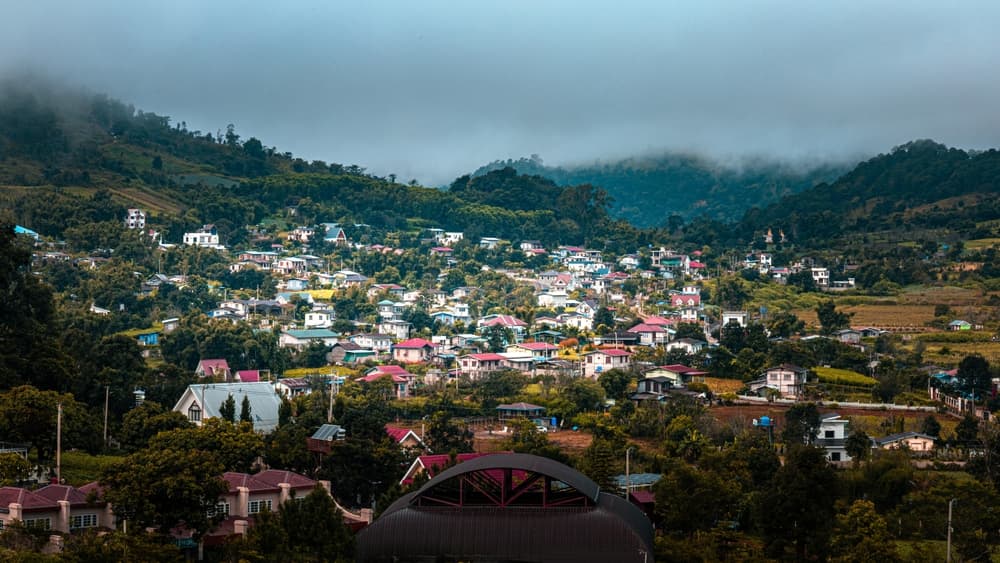
A Kayah village in Demoso township, Hta Nee La Leh offers structured community-based tourism centered on Kayhtoebo animist sanctuaries, traditional crafts, and local music.
Hta Nee La Leh is a village in Kayah State, in eastern Birmanie, inhabited by the Kayah ethnic community (sometimes called Karenni, or Red Kayah). Located in Demoso township, it offers a community-based tourism program structured around animist traditions, local crafts, and music. A worthwhile detour that logically complements a stay around Loikaw.
Why visit Hta Nee La Leh
The village is one of the few in the region to have formalized its tourism reception through the Hta Nee La Leh Community Based Tourism Club. Revenue generated directly funds residents and community projects. The main interest lies in the site's ethnographic richness: animist sanctuaries, totem poles, lacquerware crafts, bamboo instruments, and local legends. Unlike other villages more exposed to mass tourism, Hta Nee La Leh remains intimate in scale, and visits always take place in the presence of a community member.
What to see and do
The Kayhtoebo hall and sanctuaries
The Kayhtoebo complex is considered by locals as the spiritual heart of the village. It is a focal point of Kayah animist traditions, where seasonal festivals are held. On-site, you visit the local hunting sanctuary, linked to the ritual hunting tradition, and can try your hand at the traditional Kayah catapult, still used during certain ceremonies. The totem poles erected around the sanctuary form the most striking visual element of the site.
The lotus pond and the legend of Tsudanu
The neighboring pond is associated with the legend of Tsudanu, which recounts the story of a Kayah prince and princess transformed into Kinaree birds after facing a series of trials. Oral variants are numerous; the club's guides share the local version. Nearby stands the water totem, a place of veneration for the spring that feeds the village.
Artists' and artisans' homes
The program includes visits to several homes of artisans and musicians. Here you can watch the creation of Kayah lacquerware leg rings, a distinctive element of traditional female dress, as well as the traditional Kayah robe. On the music side, bamboo guitars and local flutes are played by residents, who are happy to teach visitors the basics. These visits require individual payment and advance booking.
Ox-cart ride to the seven lakes
A ride in an ox-cart connects the lotus pond to a collection of water bodies locally known as the seven lakes. Along the shores, the club organizes a traditional Kayah barbecue, sometimes replaced by a meal at a local home.
Practical information
- Booking: mandatory with the Hta Nee La Leh Community Based Tourism Club, at least 24 to 48 hours in advance.
- Duration: allow a half-day for the standard program, a full day if you include the ox-cart ride and meal.
- Fee: modest community contribution, to which are added individual fees for each artisan's home visited.
- Guide: a community member will accompany you throughout your visit (basic English-speaking; rarely English-speaking).
- Dress code: covering clothing recommended for access to the sanctuaries.
When to visit
The dry season, from November to February, remains the most comfortable window for visiting Kayah State: bearable temperatures, passable roads, clear skies. The monsoon period (June to September) makes some routes difficult, particularly the ox-cart ride. Animist festivals organized around the Kayhtoebo sanctuary are held on variable dates; check with the club when booking to time your visit with an event.
How to get there
Hta Nee La Leh is located in Demoso township, approximately thirty kilometers south of Loikaw, capital of Kayah State. Loikaw is accessible by domestic flight from Yangon or Mandalay, or by road from Inle Lake. From Loikaw, the village is reached by private taxi or through a transfer organized by the community tourism club. The road is paved for most of the journey.
Nearby
The visit is frequently combined with that of the Pan Pet village, inhabited by the Kayan community (Padaung sub-group), known for the traditional wearing of brass neck rings by women. The term "long-neck women" is a tourism approximation: it is in reality a visual lengthening produced by the pressure of the rings on the collarbones. Other sites in Kayah State or neighboring regions complete the itinerary, notably Kyauk Ka Lat pagoda and Saddan cave in the neighboring Kayin State.
Frequently asked questions
Frequently asked questions
Yes. The Hta Nee La Leh Community Based Tourism Club organizes visits by reservation, ideally 24 to 48 hours beforehand. Artisans' homes also require advance notice.
A half-day is sufficient for Kayhtoebo sanctuary and the lotus pond. Allow a full day if you add the ox-cart tour to the seven lakes and a traditional meal.
Yes, it's actually the most common combination. Both villages are located in Demoso township and can be visited in a single day from Loikaw.
November to February, during the dry season. The monsoon makes certain roads difficult to navigate, particularly for the ox-cart ride.
Yes, the pace remains relaxed and activities (music, ox-cart, crafts) generally interest young visitors. Bring water and a hat.
Plan your trip
Hta Nee La Leh naturally fits into a deep itinerary of eastern Birmanie, between Inle Lake, Loikaw, and Kayin State. To build a tailor-made route including the ethnic communities of Kayah State, consult our Birmanie journeys.
Interested in this visit?
We can include it in your personalised itinerary.