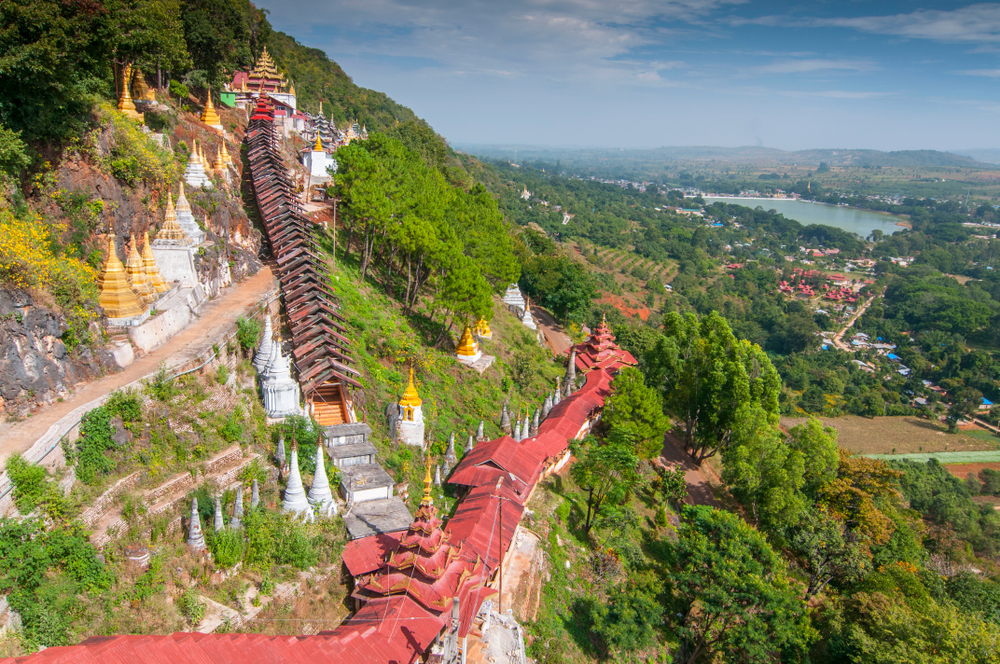
Kaw Gon Cave (Golden Cave Temple)
Kaw Gon Cave, near Hpa-An, impresses with thousands of Buddha statuettes embedded in the rock. A major Buddhist site in Karen State, best combined with other caves in the region.
Kaw Gon Cave, often called the Golden Cave, lies in the vicinity of Hpa-An, capital of Karen State, in southeastern Myanmar. Carved into a limestone massif, it shelters thousands of Buddha statuettes embedded in its walls, creating a striking visual effect under lamplight. It is one of the most visited Buddhist sites in the Hpa-An region, easily combined with other caves and pagodas in the area.
Quick Facts
- Entry: Paid admission (collected on-site)
- Footwear: Must be removed before entering the cave
- Recommended duration: 30 to 45 minutes
- Access: By tuk-tuk or motorcycle taxi from Hpa-An; the cave is accessible after a short climb
What You'll See
The walls and ceiling of the cavern are covered with thousands of small golden Buddha figurines, arranged in tight rows. Artificial lighting makes the whole display shimmer. At the back of the cave, a large reclining Buddha occupies the central space. The atmosphere is both intimate and spectacular.
History and Context
The limestone caves around Hpa-An have been used as Buddhist places of worship for centuries. The Karen region maintains a strong tradition of rock sanctuaries. Kaw Gon is among the most renowned, celebrated for the exceptional density of its sculpted votive offerings.
Highlights of Your Visit
The Buddha Walls
The accumulation of statuettes covering every surface of the cave is what sets Kaw Gon apart from other caverns in the region. Some figurines date back decades, others are recent—the faithful continue to leave offerings.
The Reclining Buddha
At the heart of the cave, the recumbent statue serves as the focal point of devotion. Monks and pilgrims regularly pay their respects here, especially in the morning.
Etiquette and Visit Rules
- Remove your shoes before entering.
- Dress modestly: shoulders and knees should be covered.
- Speak softly; worshippers are present on-site.
- Ask before photographing people in prayer.
Photography Tips
The artificial golden lighting creates a warm but contrasted effect. A fast lens or your smartphone's night mode will yield better results. Photograph the rows of statuettes from a slight overhead angle to capture their repetition. Avoid direct flash, which flattens the relief and textures.
Location and Access
Kaw Gon is located about ten kilometers from Hpa-An. From downtown, a tuk-tuk or motorcycle taxi will get you there in about twenty minutes. The cave is often included in a day-long circuit combining several sites: Saddan Cave and Mount Zwegabin are natural stops.
Nearby
- Saddan Cave — a large cave you can walk through, featuring an underground lake and boat ride, just a few kilometers away.
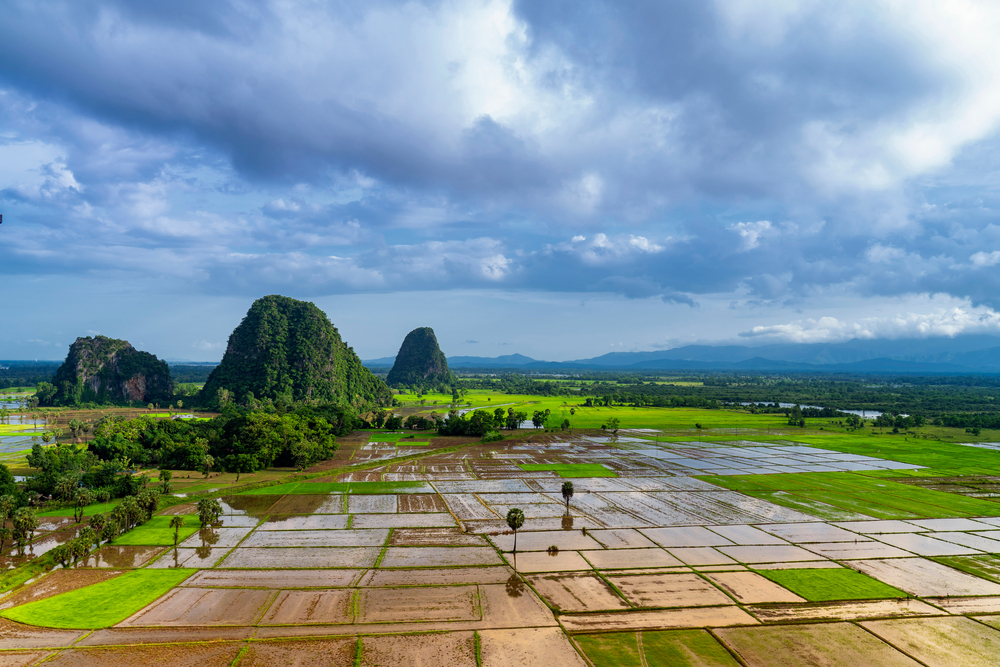
- Mount Zwegabin — a climb offering panoramic views over the Hpa-An plain and its rice paddies.
- Inle Lake — accessible from Hpa-An by bus or plane, to extend your stay in Shan State.
Frequently asked questions
The dry season, October to February, is the most pleasant. Monsoon rains (June-September) make roads muddy and some sites less accessible.
Yes. Covered shoulders and knees are required. Wear socks or easy-to-remove shoes, as you enter barefoot.
Yes. A classic circuit from Hpa-An groups Kaw Gon, Saddan Cave, and Mount Zwegabin in a full day, by tuk-tuk or motorcycle.
Photography is generally tolerated inside. Avoid using flash and respect people in prayer before photographing them.
Plan for 30 to 45 minutes to explore the cave at your own pace, longer if you wish to observe Buddhist rituals.
Interested in this visit?
We can include it in your personalised itinerary.