Mingun
Mingun
Just 45 minutes by ferry from Mandalay, Mingun lines the banks of the Irrawaddy with three monumental structures commissioned by King Bodawpaya in the 18th century.
Introduction
Ready to discover the beauty of Myanmar's riverside villages? Head to Mingun and its grand monuments! Located on the western bank of the Irrawaddy River, this small town is home to imposing structures dating back at least five centuries. Mingun owes its reputation to the famous unfinished pagoda of King Bodawpaya.
Visiting Mingun promises a blend of walks and discoveries. This charming former city is perfect for a complete change of scenery.
The history of Mingun
Birthplace of Bodawpaya, king of Amarapura, Mingun experienced its golden age in the late 18th century. The ruler of the ancient capital of the Burmese kingdom had ambitious plans to construct four gigantic structures in Mingun: a pagoda, two sphinxes, a bell and a cistern.
Mingun today
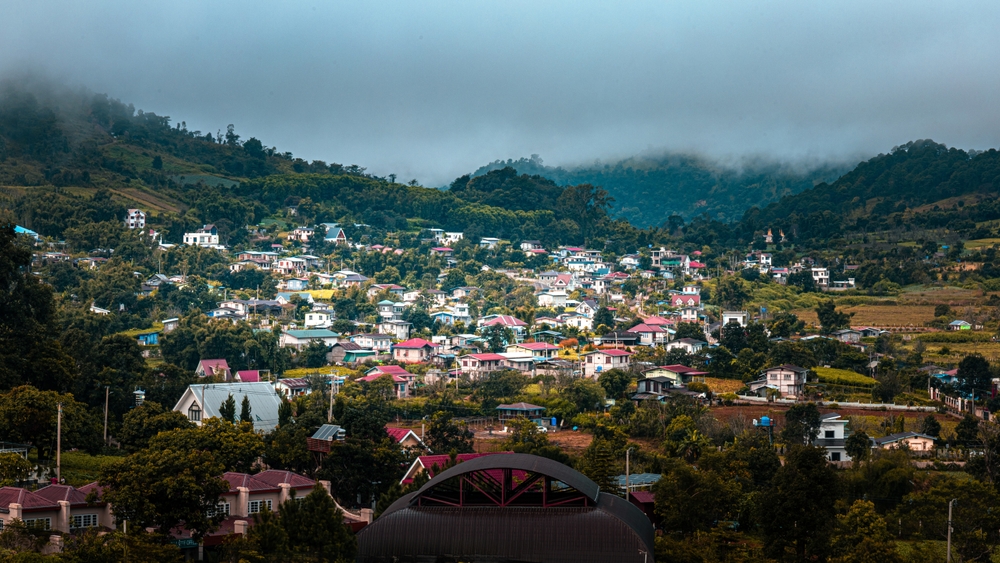
Mingun reveals its wonders at first glance. The sublime landscapes and grand monuments create a striking contrast. The sites attract countless tourists, helping to develop this unique village in the Sagaing region.
The Mingun Nats Festival
Celebrated generally during the full moon in August, this Burmese festival honors protective spirits. This festival, which draws locals, pilgrims and tourists alike, originates from the Nats cult. It is primarily based on the story of two individuals who became the Nats (guardian spirits) of Mingun village after drowning in the Irrawaddy. 37 great protective spirits are venerated during this major event. An offerings ceremony is also held on the river to honor Ko Gyi Kyaw.
For a week, Mingun becomes the stage for professional dancers, cross-dressing shamans and mediums. The Nats Festival also showcases local products and craftsmanship.
Main sites in Mingun
This ancient riverside town stands out particularly for its immense structures and sheer scale, a true whim of King Bodawpaya. Three sites dominate this small village:
Mingun Temple (Mingun Pahtodawgyi) or the Unfinished Pagoda
Construction of this monumental brick stupa began in 1790, during the reign of Bodawpaya. It was meant to become the largest Buddhist temple in the world. However, construction was halted after an astrologer predicted the king's death once the temple was completed. Another version suggests construction ended with Bodawpaya's death. Today, the site stands approximately 50 meters tall, though it was originally planned to be three times higher. Mingun Temple also suffered considerable damage from the devastating earthquake of March 23, 1839.
The Mingun Bell
Weighing approximately 90 tons, the Mingun Bell held the title of the world's largest functioning bell until the early third millennium, when China rang its Fortune Bell in Henan. Intended for the great pagoda, the Mingun Bell dates to 1808. Standing eight meters tall, the sound produced by this treasure is truly impressive. According to village residents, the king demanded a unique tone for this bell, which was adorned with a sphinx.
Hsinbyume Pagoda
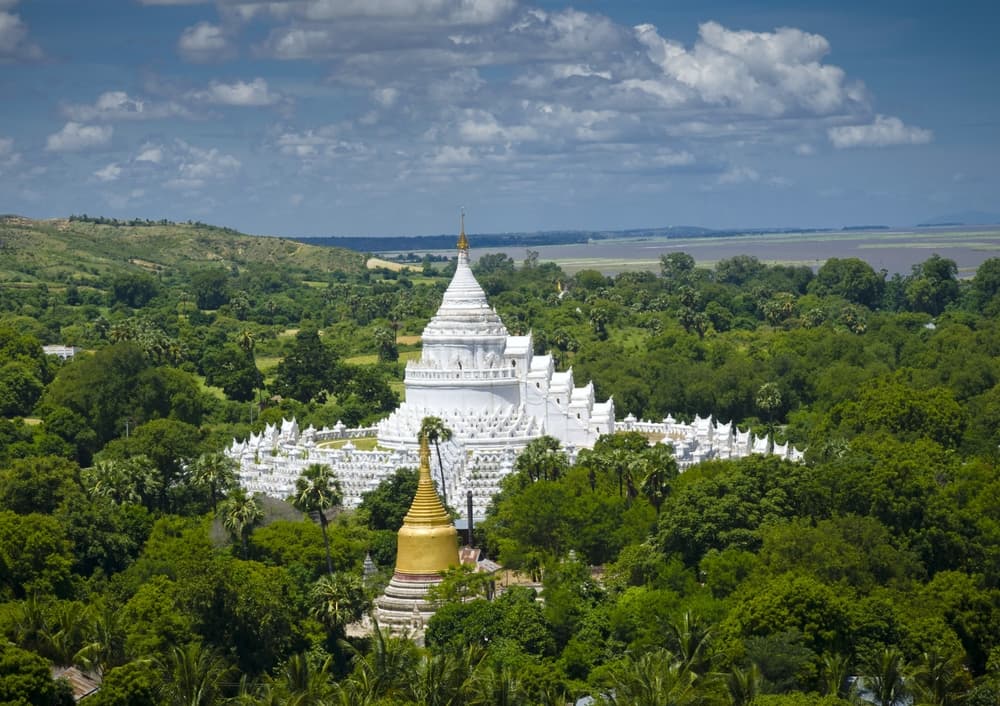
Also known as the "Lady of the White Elephant," Hsinbyume Pagoda is the work of King Bagyidaw. He erected it in 1816 in memory of his first wife, Bodawpaya's granddaughter. Featuring seven superimposed terraces, this white-clad temple was constructed in the image of Mount Meru and its seven hills. However, the 1839 earthquake did not spare it. In 1874, King Mindon launched a restoration of this monument, also renowned for its magnificent views of the landscape.
When to visit Mingun?
Subject to a desert-like climate, Mingun is largely spared heavy rainfall. February proves to be the driest month of the year while September is rather rainy. Average precipitation there is 801 mm.
Heat dominates this central part of Myanmar with an average temperature of 27°C. April holds the record for the hottest month of the year, in contrast to January, which is more pleasant.
The most favorable period to visit is between December and February.
By local ferry
To visit Mingun, the most practical and memorable way is to travel by waterway. Departing from Mandalay or Sagaing, the journey is made by local ferry and takes approximately 45 minutes.
By car
It is also possible to reach the site by car. However, this route requires crossing the Irrawaddy River via Sagaing's metal bridge.
By bicycle or on foot
Looking for adventure? You can get there by bicycle or even on foot by crossing the Burmese countryside.
By cruise
Fancy a luxury cruise? Cruises generally linking Mandalay to Bagan often include a stop at Mingun. A wonderful experience not to be missed!
On foot
The village is not very large. So a walking tour is quite possible to discover the site, and it also allows you to connect with locals.
By bicycle
Many tourists prefer to cycle to admire the beauty of Mingun. An option worth considering if you're a keen cyclist!
Want to discover this destination?
Our local advisors design your tailor-made trip.