Bagan
Bagan
Bagan, Myanmar's city of 2,500 Buddhist temples: a practical guide to explore the Irrawaddy plains, its pagodas and legendary sunrises.
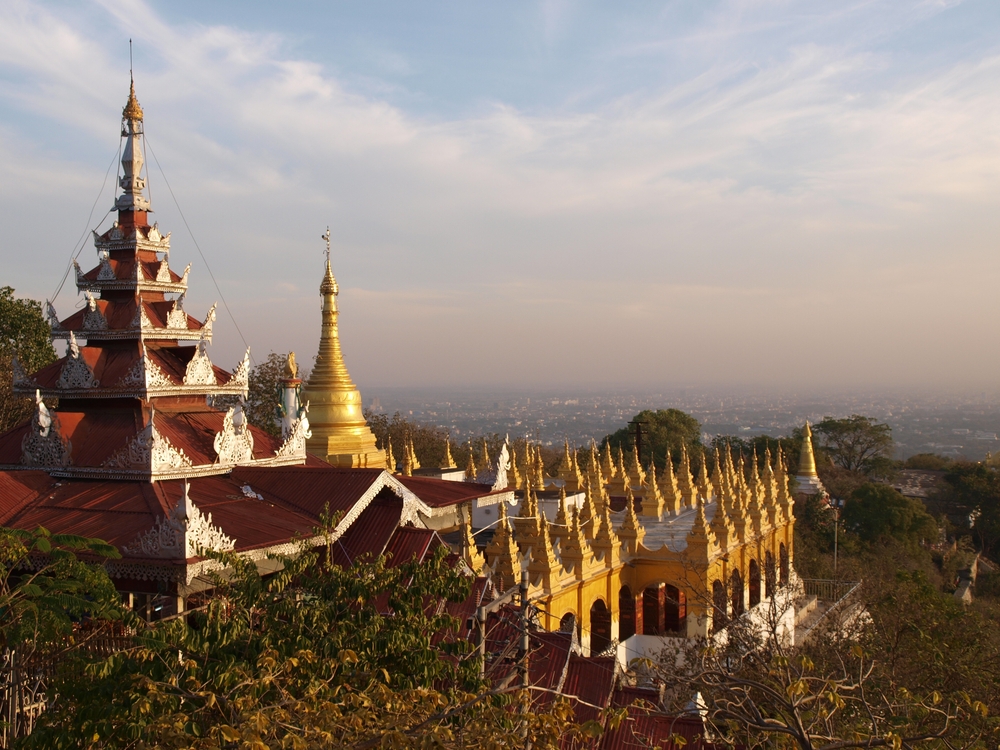
Dreaming of discovering a wonder of Myanmar, Asia and even the world? The city of temples of Bagan will not disappoint you. Spanning 50 square kilometers, Bagan sits on a vast plain along the Irrawaddy River, in the heart of the Mandalay region. Inscribed on the UNESCO World Heritage List since 2019, this Buddhist archaeological site was once the seat of the greatest empire of Southeast Asia during its golden age.
Bagan means thousands of pagodas, hot air balloon rides, an archaeological museum, and magnificent sunrises and sunsets. A must-visit destination at least once in your lifetime!
History of Bagan
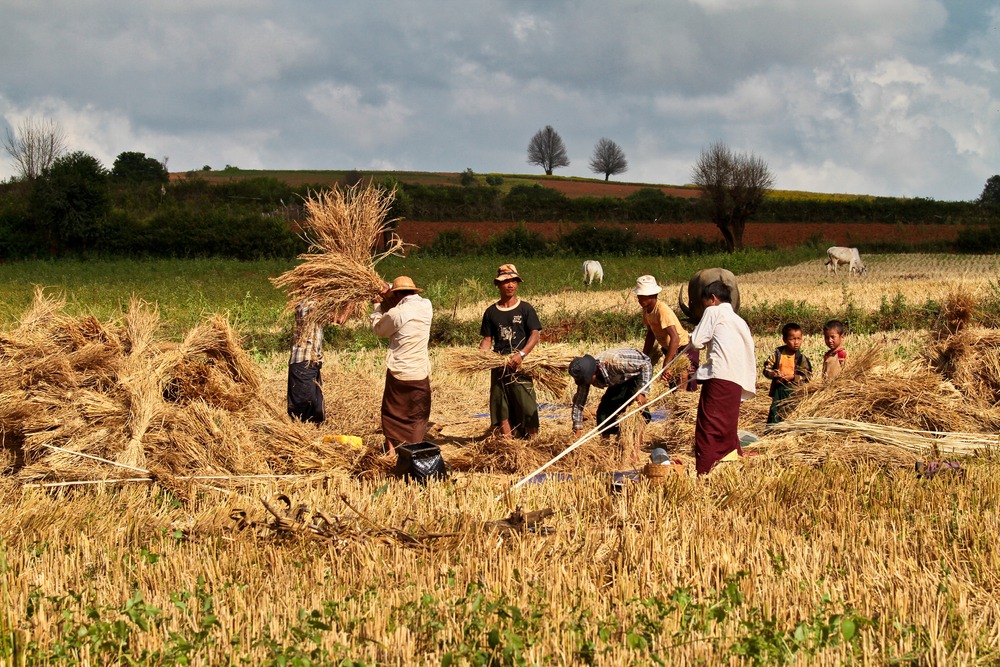
Bagan, formerly called Pagan, emerged following the decline of the Pyu kingdom, when a Burman group decided to settle this territory around the mid-9th century. A kingdom was then established in 1044 by King Anawrahta, the founder of the first Burman Empire. The Bagan plain was well-suited for agriculture, which was the main activity of the population at the time. This elevated it to the rank of capital of Birmanie.
A Buddhist jewel
Anawrahta's conversion to Theravada Buddhism marked the beginning of the spread of Buddhism throughout the kingdom of Bagan. Once immersed in this faith, the city welcomed the construction of thousands of temples and pagodas.
Bagan today
Bagan is one of Myanmar's symbols, formerly known as the State of Birmanie. Hosting a multitude of ancient monuments, the site is breathtaking. It's no wonder Bagan attracts so many tourists. Today, approximately 2,500 ancient structures still stand at Bagan despite countless damages caused by earthquakes, notably the one in 1975.
This site is characterized by calm and silence, as Bagan's residents live in Old Bagan, New Bagan and Nyaung U, in the surrounding areas. The old town is nonetheless animated by tourists and a few Buddhists who come to meditate each morning before the Buddha statues**.**
What to see in Bagan?
With its picturesque monuments and an oasis of Buddhist temples, Bagan attracts many tourists who leave with stars in their eyes. Visiting Bagan will give you the feeling of stepping back into a distant past, amid pagodas and stupas. An experience not to be missed!
Allow at least one or two days to discover the entire site. Be sure to bring a scarf to protect yourself from the ubiquitous dust. Come very early in the morning to watch from the temples the takeoff of hot air balloons**, the spectacle is incredible! At the end of the day, perch yourself on one of the temples to enjoy the sunset.**
Located in the Mandalay region, this destination has many must-see places to add to your Myanmar travel itinerary:
Htilominlo Temple
Among the thousands of temples that grace the Bagan plain, Htilominlo temple was the last to be built. This 46-meter-high monument was the work of King Htilominlo. The walls are made of bricks covered with stucco. The temple houses four Buddha statues on the first floor, leaning against the central pillar.
Shwezigon Pagoda
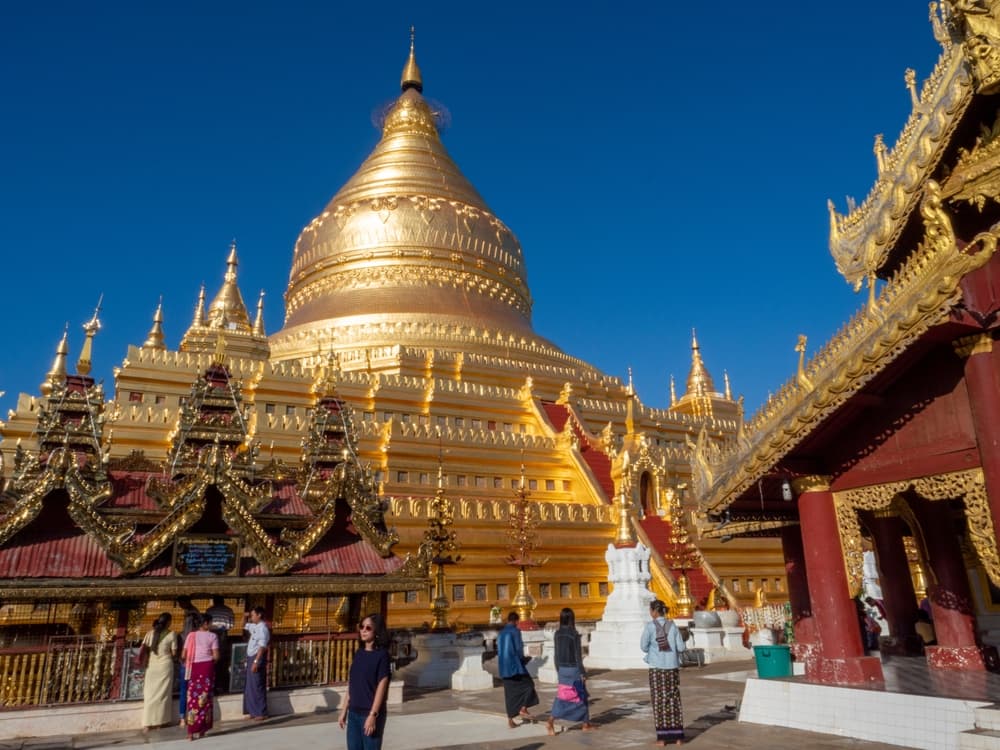
Located in Nyaung U, a few kilometers north of Bagan, this bell-shaped pagoda was built during the reign of King Anawatha in 1059. Construction was completed by King Kyanzittha. This golden stupa features refined aesthetics, with three terraces beautifully decorated with sculptures depicting Buddha's previous lives.
Shwesandaw Pagoda
This treasure was built around the early foundation of the Bagan kingdom. Located between Old Bagan and Myinkaba, this pagoda was the first to feature external staircases. After climbing the structure, you can relax at the top while admiring the unsuspected panorama offered by the Bagan basin. Unforgettable!
Dhammayangyi Temple
With a central pillar 50 meters wide, this temple is the largest Buddhist temple at the Bagan archaeological site.
Ananda Temple
Ananda Temple is surely the most impressive temple at Bagan. It was built by King Kyanzittha and is dedicated to Buddha's enlightenment. After the great earthquake of 1975, the temple was restored and continues its religious function today.
Shwegugyi Pagoda
Highly elegant, Shwegugyi ranks among Bagan's most beautiful Buddhist temples. The name of this temple literally means the great golden cave. This pagoda is a masterpiece of King Alaungsithu, who ordered its construction in 1131. He reportedly lost his life in this temple.
Sulamani Guphaya Temple
Sulamani is a grand temple located in Minnanthu southwest of Bagan. It features unique and original architecture. Erected in bricks and stone, the building was constructed in 1183 during the reign of Narapatisithu. This temple was repaired in the late 20th century after being damaged by the 1975 earthquake.
Climate
Bagan is characterized by a dry and hot climate. Generally, the temperature is quite high throughout the year, averaging 27°C. The best season to visit Bagan extends from November to March when temperatures are more pleasant and rainfall is minimal.
To reach Bagan, you can choose air, road, rail or maritime routes.
Flying to Bagan
Bagan has the Nyaung-U airport, located just 15 minutes from the city center of this historic complex. From Mandalay, the flight takes approximately 30 minutes. From Yangon, the journey takes around 1 hour and 20 minutes.
Traveling by car
The car is always more practical if you want to travel from one city to another. Nine hours are sufficient to travel from Yangon to Bagan, a journey of approximately 625 km. To go from Mandalay to Bagan, you'll need about 3 hours (182 km).
Reaching the site by train
Train is the perfect option if you enjoy admiring the beauty of landscapes during your journey! If you depart from Yangon, the journey will take approximately eighteen hours. However, Mandalay – Bagan requires only eight hours, though you won't be able to choose a higher class for more comfort.
Mandalay – Bagan by ferry
Feel like an adventure? Taking a ferry between Mandalay and Bagan is surely the most beautiful way to reach this site. It will take you approximately nine hours to reach Bagan, traveling along the Irrawaddy River.
Bagan's vast expanse doesn't allow visitors to explore the site on foot. To get around, four alternatives are available to you:
Bicycle
Bicycle rental is very common in Bagan. It's also the cheapest form of transportation in the city. Perfect for sports enthusiasts, renting a bike allows you to pedal through every corner of the site and pass from sanctuary to sanctuary to admire the beauty of the temples.
Electric bicycle
Less exhausting and faster, the electric bike allows you to tour the entire city and all the temples on the site within a few hours. The rental cost is higher than for a regular bicycle though. It's the most common means of transportation in Bagan, remember to fully charge your battery before setting off to avoid running out of power and having to pedal hard.
Horse-drawn carriage
There's nothing better than taking a ride in a horse-drawn carriage sheltered from Bagan's sun. You'll be driven by a driver – guide who will know how to tell you the history of Bagan's monuments. Definitely worth trying for an unusual visit!
Taxi
Are you in a bit of a hurry? A taxi in Bagan is quite affordable. It will also allow you to travel to Mount Popa.
Attractions in Bagan
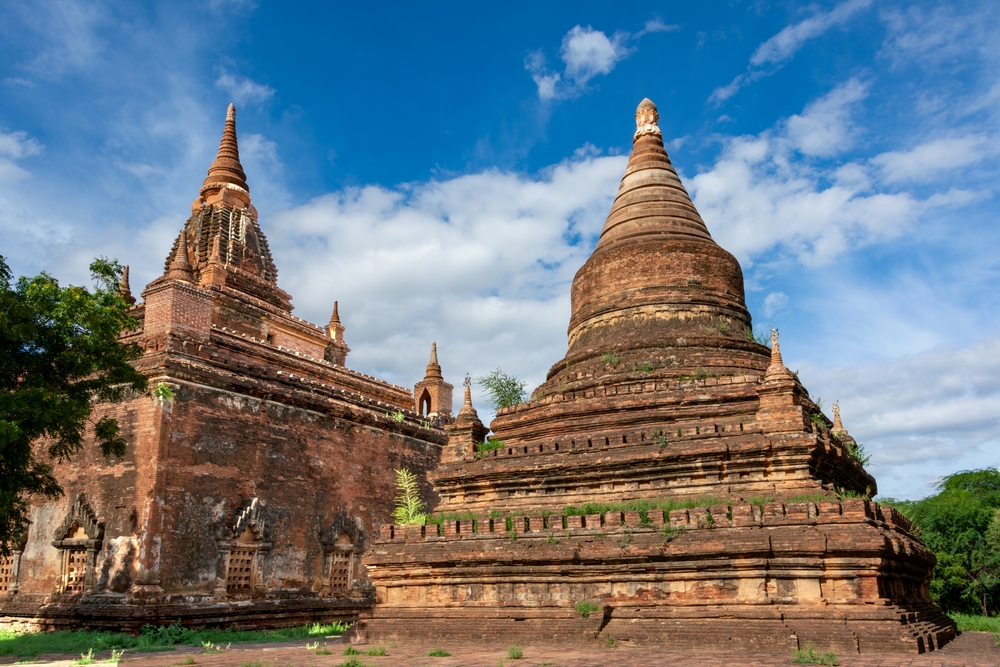
Pagode Shwesandaw
La pagode Shwesandaw s'élève au cœur de la plaine de Bagan, en Birmanie centrale. Construite au XIe siècle sous le roi Anawrahta, cette stupa cylindrique à cinq terrasses est l'une des plus anciennes
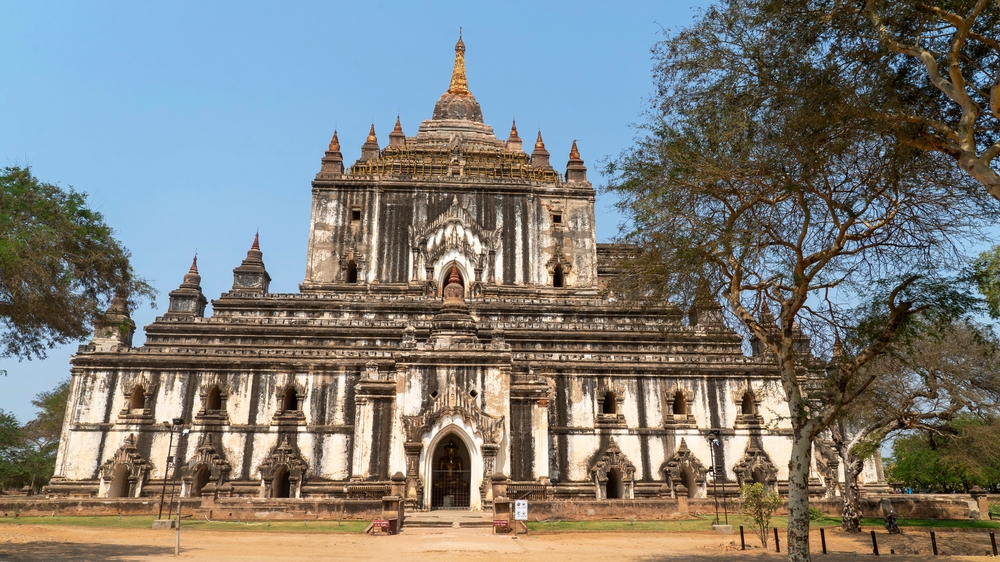
Temple Thatbyinnyu
Le Thatbyinnyu est le temple le plus haut de Bagan, s'élevant à environ 61 mètres au-dessus de la plaine. Construit au XIIe siècle sous le règne du roi Alaungsithu, il incarne le style architectural
Accommodation in Bagan

Want to discover this destination?
Our local advisors design your tailor-made trip.