Ava
Ava
Once the royal capital of Myanmar, Ava (Inwa) showcases its teak monasteries and leaning tower just an hour's boat ride from Mandalay. A complete guide.
The former royal capital of Myanmar, Ava, with its ruins of imperial and religious buildings, is an absolute must-see when traveling to Myanmar.
Located in the Mandalay region on a small artificial island at the confluence of the Irrawaddy River and Myitkyina, the Ava archaeological site (or Inwa) holds the significant remains of four ancient kingdoms of Burma, now known as Myanmar.
With its charming historic monuments, this sparsely inhabited city proves to be the ideal destination to trace the history of this Southeast Asian nation.
A Glimpse into History
The city's founding dates back to 1364, when Thadominbya unified Upper Burma, which comprised the Kingdom of Pinya and that of Sagaing. Ava thus became the heart of the new kingdom.
Ava reached its zenith between the 14th and 15th centuries. The conquest by Shan princes in the early 16th century eventually toppled the kingdom. Its status as capital, however, was maintained during the reign of the Konbaung dynasty, the last Burmese dynasty.
The geographical position of the Kingdom of Ava was not favorable to its development. The eighth ruler of the Konbaung dynasty decided to move the capital to Amarapura following a devastating earthquake. Ava's history, however, lived on.
Ava Today
Ava, now better known as Inwa, has been sparsely populated since its collapse in the 19th century. Etymologically, Ava means the city of precious stones, while Inwa means the lake's mouth.
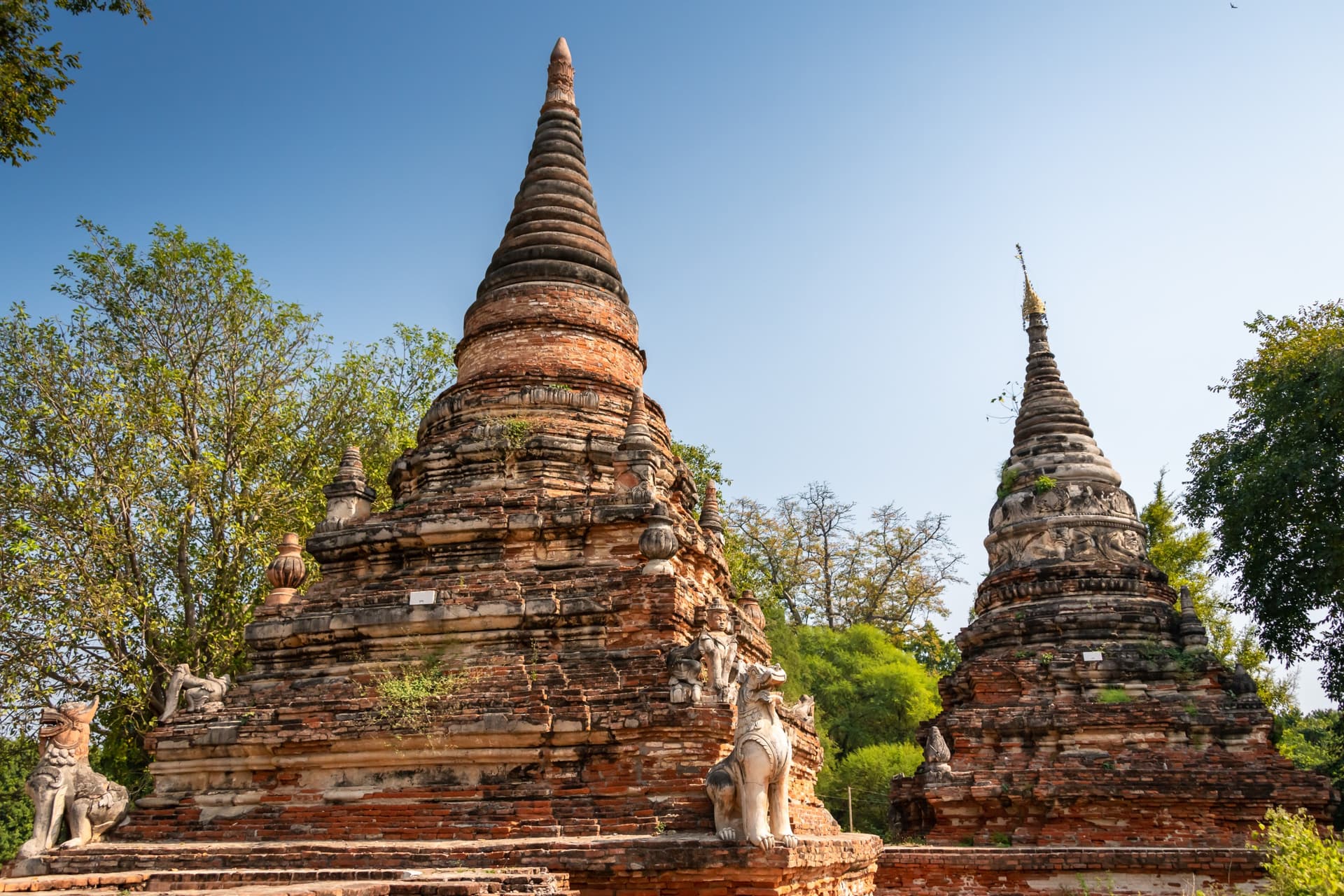
Few roads, no houses, few passersby—only ruins stand at every corner of the city. Ava remains the shadow of a vanished ancient city that opens its doors to countless tourists each year. With captivating sites and horse cart rides, tourism has undoubtedly brought the city back to life.
The Perfect Place for Contemplation
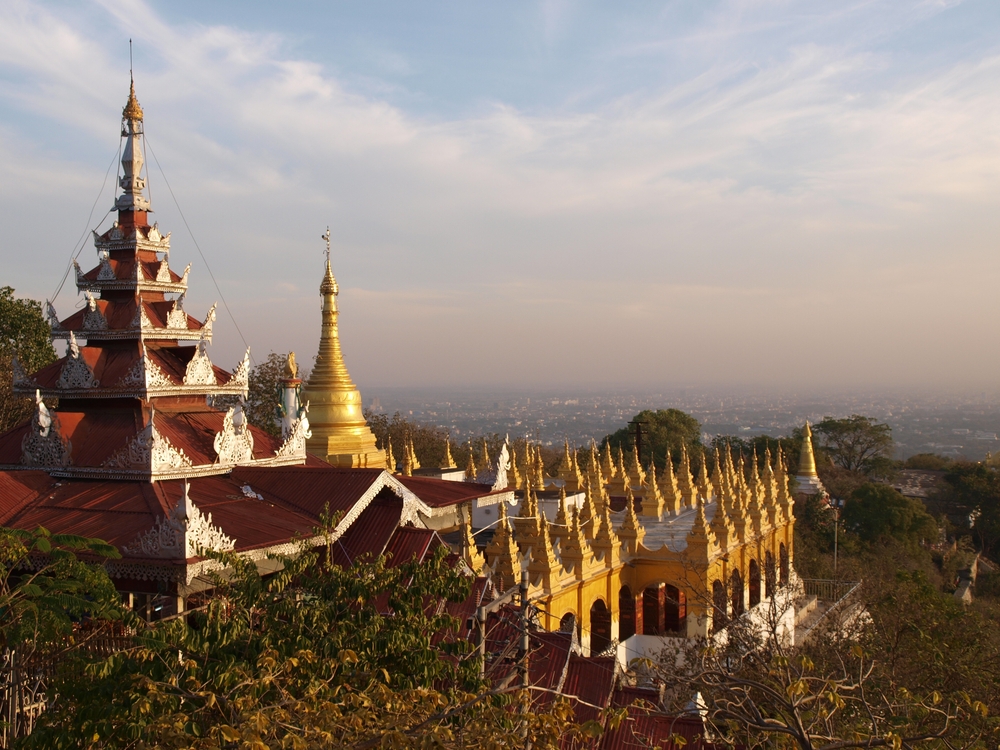
The ruins reflect the grandeur of the past kingdom. Adorned with religious pagodas, monasteries, and grand statues, Ava differs markedly from Mandalay, where urbanization is keenly felt. The former royal capital maintains a peaceful and inviting atmosphere, perfect for relaxation or even prayer.
What to See in Ava?
With its picturesque historic monuments, the ancient citadel of Ava is well worth the journey. Upon arriving on the island, charming vendors will welcome you with warm smiles. You can purchase a few souvenirs at reasonably affordable prices.
A curious note: If you get the chance to see the U Bein Bridge in Amarapura near Mandalay, know that it was constructed using wooden debris found at the Ava site. The idea came from the city's mayor, U Bein, who decided to use abandoned teak columns from Ava to build a bridge. The U Bein Bridge is made up of 1,060 pillars and has become the world's longest teak bridge.
A Visit to Bagaya Monastery
Built in 1864, this religious edifice is characterized by an impressive wooden structure supported by 267 teak pillars. Intended for prayer, the monastery serves as a place of worship for Buddhist monks and also accommodates trainee novices.
The Ava Bridge: A Colonial-Era Remnant
Spanning 1,128 meters, this railway and road bridge is among the masterpieces signed by the British in the territory of former Burma. Crossing the Irrawaddy River, its construction dates back to 1934. This steel beam infrastructure connects the Mandalay region to that of Sagaing.
Nan Myint: Myanmar's Leaning Tower
Also called "the Leaning Tower of Inwa," this watchtower stands out for its tilting appearance. Following an earthquake in 1838, this monument from the reign of King Bagyidaw nearly collapsed. The upper portion has since become inaccessible.
The Magnificent Maha Aung Mye Bonzan Monastery
Erected over two centuries ago, this sacred site is also known as Me Nu Ok Kyaung. This work was commissioned by Nanmadaw Me Nu, the wife of the seventh king of the Konbaung dynasty, "Bagyidaw," for her lover the monk Nyaungghan Sayadaw U Bok. Built with brick covered in stucco, the edifice was severely damaged by an earthquake in 1838. The daughter of Nanmadaw Me Nu nevertheless undertook restoration work in 1872.
The Yadana Hsemee Pagoda
This monument stands in the heart of the island. Very serene, this charming pagoda in Angkor style features a sculpture of Buddha.
Ava and Its Surroundings…
Near Inwa, you can discover several fascinating sites with their distinctive landscapes and architecture: Sagaing Hill, Sagacious Myanmar Travel & Tours, the U Min Thonze Cave, the Soon U Ponya Shin Paya, the Jade Pagoda, and more.
The Climate in Ava
Ava enjoys a tropical savanna climate. Generally, rainfall is frequent during the summer season, while more moderate during the winter months. Average temperatures hover around 27°C year-round. Average precipitation is 1,178 mm.
The only way to reach the Ava site is by boat. Traveling by water is itself part of the adventure. You depart from Mandalay to cross the Irrawaddy River. A perfect moment to discover the landscapes of Myanmar!
On Foot
Easy to explore on foot, the city of Ava is not very extensive. By walking around, you can fully enjoy your visit while admiring the beauty of the city, its ruins, and rural landscapes.
By Horse Cart
Horse-drawn carriages are a much-beloved mode of transport for tourists in Ava. Indeed, it is the most common means of getting around in this city. The site has passable roads. A delightful way to discover this significant historical site.
By Bicycle
It is also possible to tour the city by bicycle.
Want to discover this destination?
Our local advisors design your tailor-made trip.