Kalaw to Inle Lake Trek
Kalaw to Inle Lake Trek
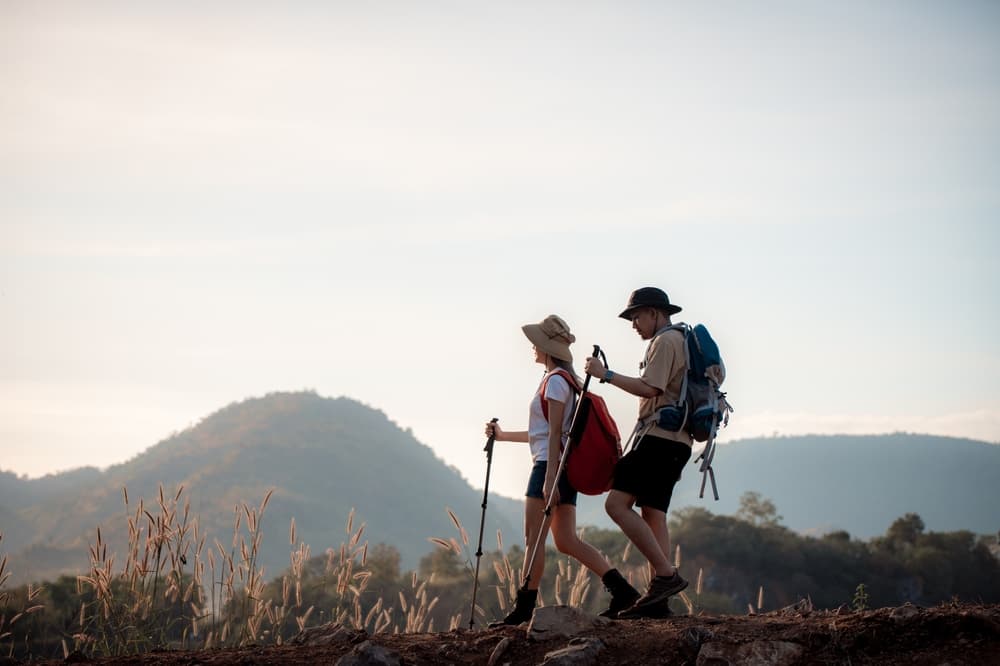
From Kalaw to Inle Lake, this 2 to 3-day trek crosses the hills of Shan State, Pa-O ethnic villages and Buddhist monasteries for an authentic rural immersion in Myanmar.
Kalaw, a small colonial town nestled in the hills of Shan State, is the starting point for Myanmar's most iconic trek. Over two to three days of walking, the trail winds through ethnic villages, tea plantations, pine forests and terraced rice fields before reaching the shores of Inle Lake. An accessible mountain route, rooted in the rural life of Pa-O, Danu and Taung Yo minorities.
Quick facts at a glance
- Duration: 2 to 3 days depending on pace and chosen itinerary
- Distance: approximately 60 to 70 km depending on variant
- Level: moderate — gradual elevation gains, no alpine technique required
- Guide mandatory: highly recommended; certain areas require an approved local guide
- Accommodation: nights in monastery or homestay (included in most agency packages)
- Clothing: hiking boots, covering garments for cool nights at altitude
- Best season: November to February (dry season, mild temperatures)
- Getting there: Kalaw is accessible by overnight bus from Yangon or Mandalay, or by train
What to see
The landscape shifts with each day of walking. The first day leaves Kalaw through pine forests and tomato and garlic plantations. The second crosses Pa-O villages with bamboo houses, isolated pagodas and sesame fields. The third descends toward the lake plain, revealing the first glimmers of Inle Lake on the horizon.
History and context
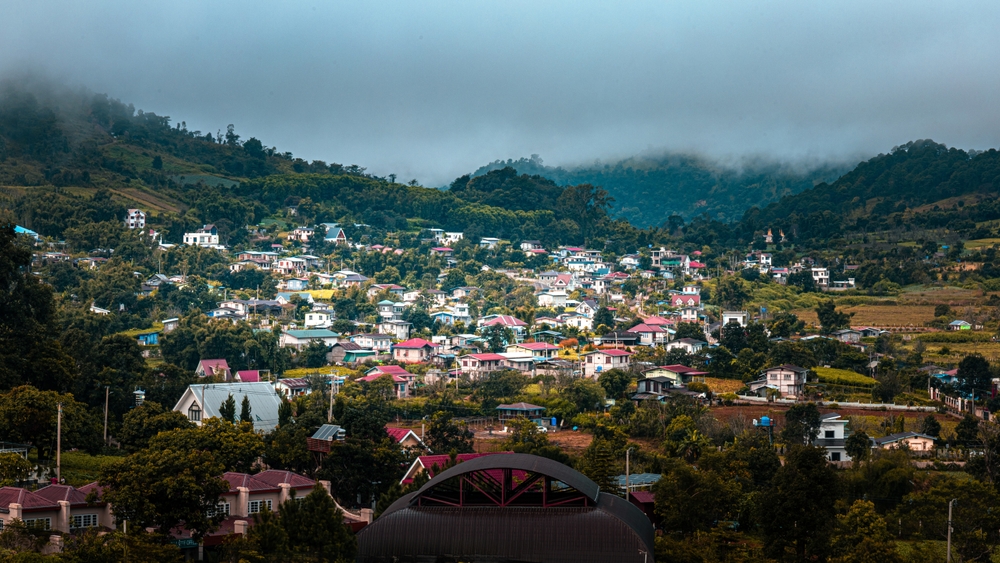
Shan State is home to a mosaic of ethnicities — Pa-O, Danu, Taung Yo, Intha — whose agricultural and religious traditions remain very much alive. Kalaw was a British hill station; its colonial bungalows and weekly market still bear witness to this. The trek developed in the 1990s as a gentle alternative to mass tourism, championing community-based hospitality.
Highlights of the trek
Pa-O villages
Pa-O women wear indigo turbans and colourful longyi skirts. Stops in these villages allow you to observe the artisanal production of yellow pea tofu, a local specialty, and share meals with villagers.
Nights in monasteries
Sleeping in a kyaung (Buddhist monastery) is an experience in itself. Monks welcome trekkers in exchange for a donation. Evening silence, morning bells and sunrise offerings punctuate these stages.
Arrival at Inle Lake
After two or three days of walking, the final descent toward Nyaungshwe and the first canoes on the lake offers a striking contrast with the hills traversed. Arriving by the channels is far more memorable than a simple bus ride.
Etiquette and visiting rules
- Remove your shoes before entering any monastery or pagoda along the trail.
- Keep shoulders and knees covered in places of worship and villages.
- Always ask permission before photographing residents, particularly women and monks.
- Do not distribute sweets or money to village children — this undermines community dynamics.
- Respect your guide's advice regarding sensitive areas or ongoing ceremonies.
Photography tips
Golden morning light, between 6 and 8 a.m., beautifully illuminates the terraced rice fields and morning mists on the hills. Village markets (often mid-morning) offer scenes of authentic daily life. Avoid flash in monasteries. A discreet telephoto lens is preferable for portraits.
Location and access
Kalaw sits in the hills of Shan State, at approximately 1,300 metres altitude. The town is connected to Yangon and Mandalay by overnight bus and a scenic train line. The trek ends at Nyaungshwe, gateway to Inle Lake. Most local agencies arrange return transfer by boat or vehicle from Inle.
Nearby attractions
- Inle Lake — natural destination at the end of the trek, with its one-legged rowing fishermen and floating gardens.
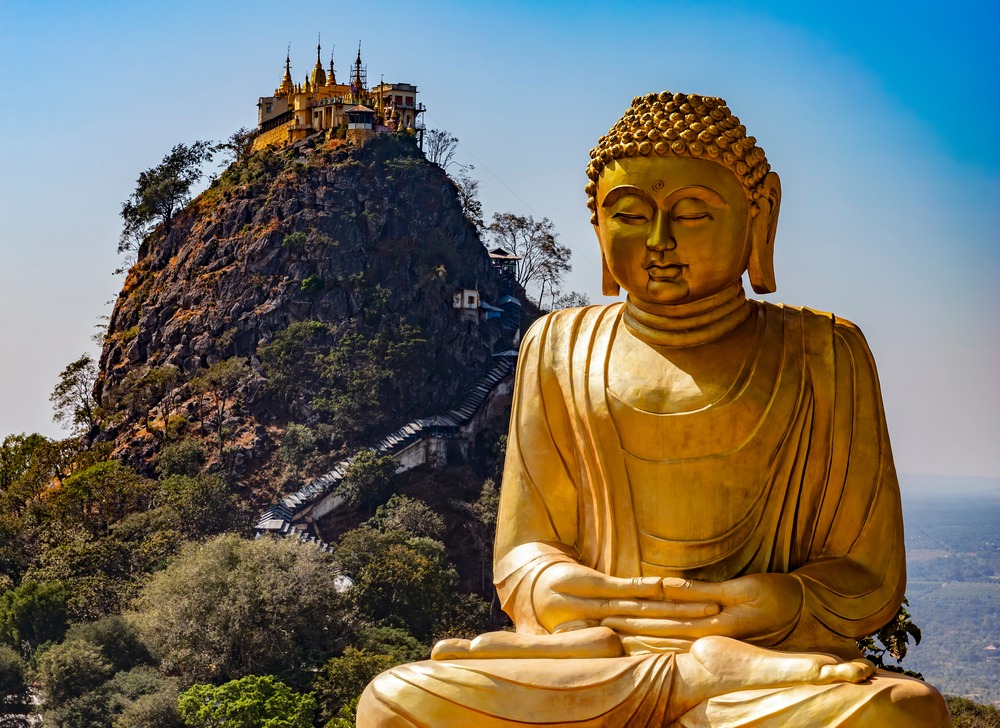
- Pindaya Caves — Buddhist site carved into a cliff face, housing thousands of Buddha statues, an hour's drive from Kalaw.
- Heho Airport — regional hub allowing you to reach Bagan or Yangon by air after the trek.
Frequently asked questions
A local guide is highly recommended and, in certain areas, mandatory. They ensure navigation between villages, facilitate monastery accommodation and serve as an essential cultural intermediary.
November to February offers dry weather and pleasant daytime temperatures, with cool nights. Avoid the monsoon season (June-October): trails become slippery and some passages are challenging.
The trek is rated moderate. A good basic fitness level is sufficient. Elevation gains are gradual and stages can be adjusted according to group pace.
Nights are spent primarily in Buddhist monasteries or homestays. Comfort is simple — floor mattress, basic sanitation — but the human experience is unique.
Yes, it's the natural sequence. The trek ends at Nyaungshwe, the ideal base for exploring Inle Lake by boat for two to three additional days.
Waterproof hiking boots, warm clothing for nights (cold can be surprising at altitude), headlamp, water bottle, sunscreen and a lightweight sleeping bag if you're sensitive to cold.
Give it a go!
Our local experts arrange this activity for you.