25 articles to prepare your trip
Perched on a hilltop in Kengtung, Wat Zom Kham is an active Buddhist temple with Tai Khün architecture, panoramic city views and an atmosphere of daily devotion.
Nestled in Kayah State, Pone Taloke Lake captivates with its tranquil shores, early-morning fishermen, and forested hills. An authentic nature stop to combine with Loikaw and Kayan villages.
Mogok is the world capital of rubies. Its gemstone market brings together miners and traders each morning in an atmosphere of raw commerce, far from mass tourism.
The principal Buddhist sanctuary of Kengtung, Maha Myat Muni Pagoda houses a revered Buddha image venerated by Tai Khün communities. A living place of worship, best combined with Naung Tung Lake and the local market.
In the heart of Kengtung, Kyaing Tong Market brings together each morning the highland ethnic groups of eastern Shan State: Akha, Lahu, Shan and Ann. A vibrant crossroads of traditions, craftsmanship and forest products.
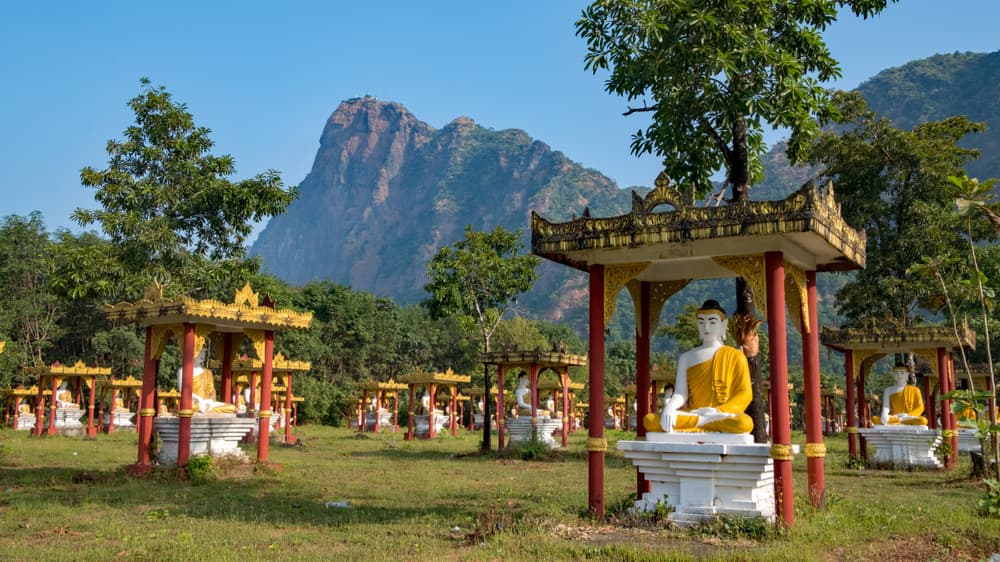
Kaw Gon Cave, near Hpa-An, impresses with thousands of Buddha statuettes embedded in the rock. A major Buddhist site in Karen State, best combined with other caves in the region.
Demawso, a district in Kayah State, provides access to Kayan and Kayah villages around Loikaw. Rice paddies, ethnic markets and traditional craftsmanship define an authentic rural territory, still little frequented.
Opposite Mawlamyine, Bilu Kyun brings together artisan villages where rubber sandals, pottery and woven mats are crafted. An immersion in Mon rural life, far from mass tourism.
Mount Zwekabin (722 m) dominates Hpa-An and the karst plains of Kayin State. Trekking, Buddhist caves, and exceptional panoramas over the limestone peaks of southern Myanmar.
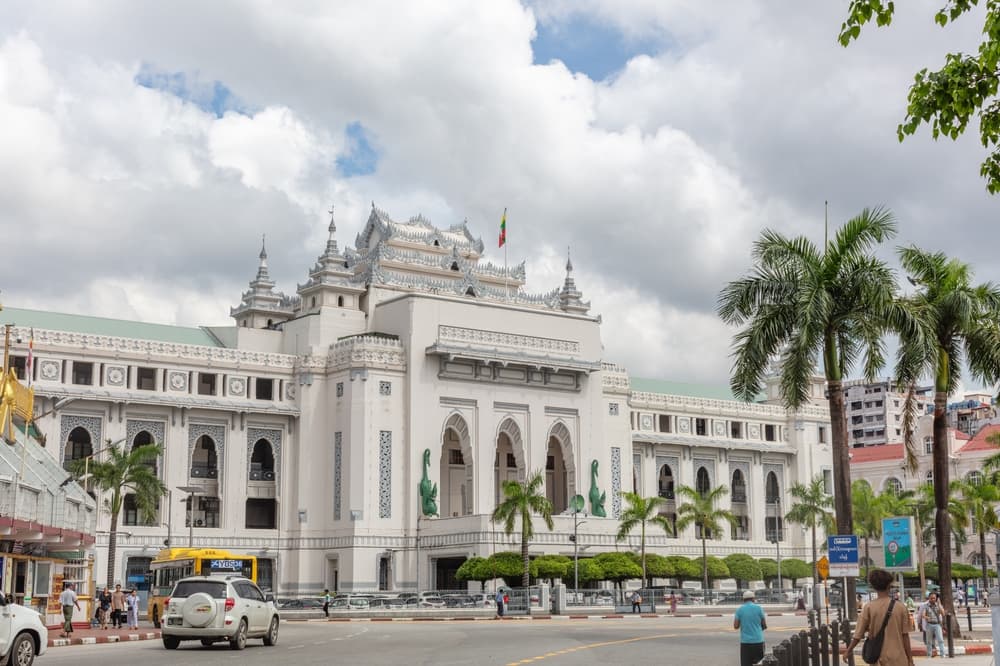
At the heart of Yangon, the Colonial Quarter brings together one of Southeast Asia's largest concentrations of British architecture: pagodas, Art Deco facades and street markets to explore on foot.
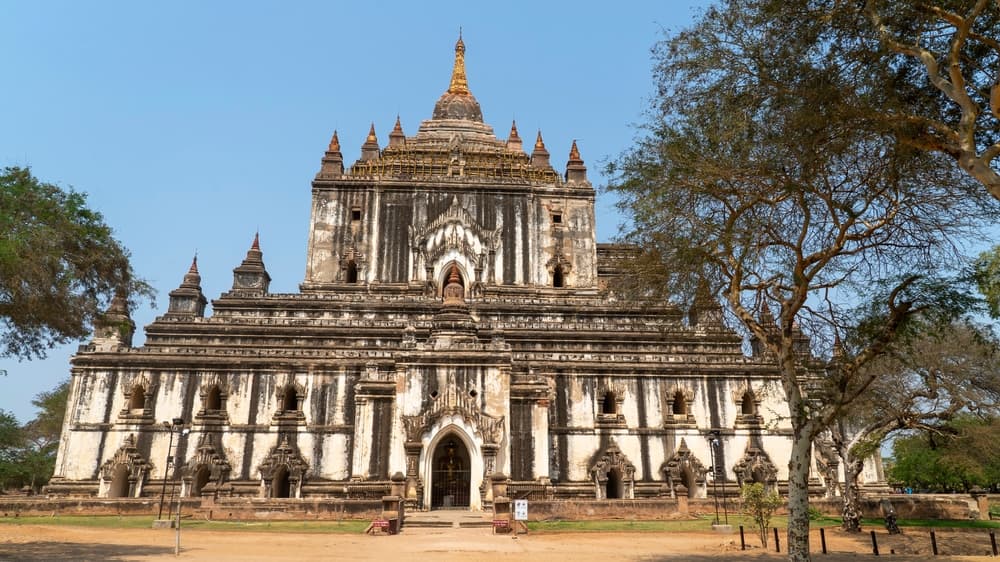
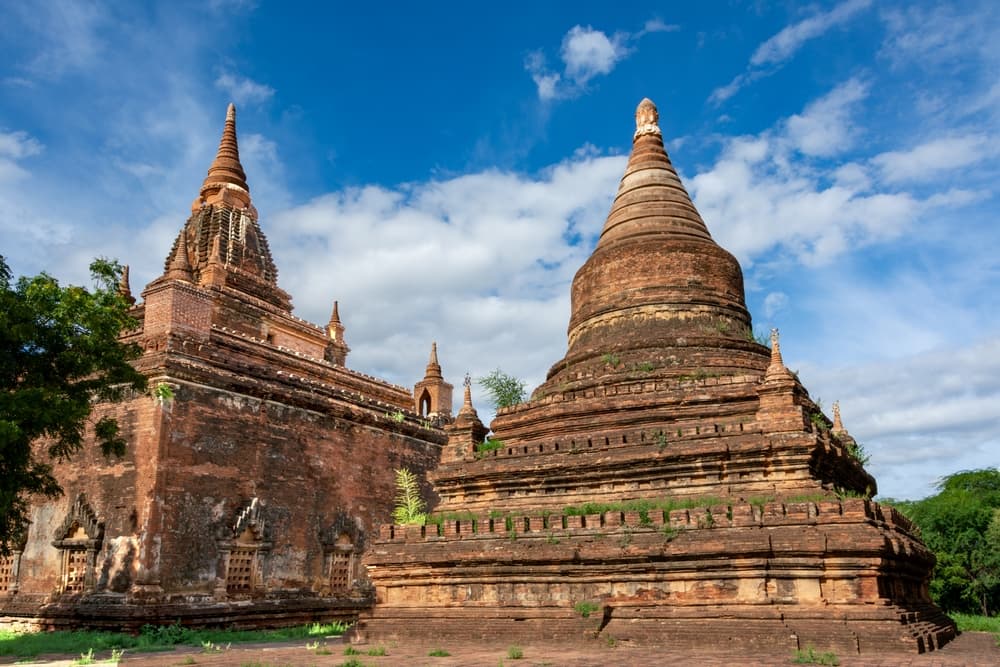
Thatbyinnyu is Bagan's tallest temple, rising 61 meters above the plain and built in the 12th century under King Alaungsithu. A Buddhist sanctuary at the heart of the archaeological zone, it pairs naturally with a visit to the nearby Ananda Temple.
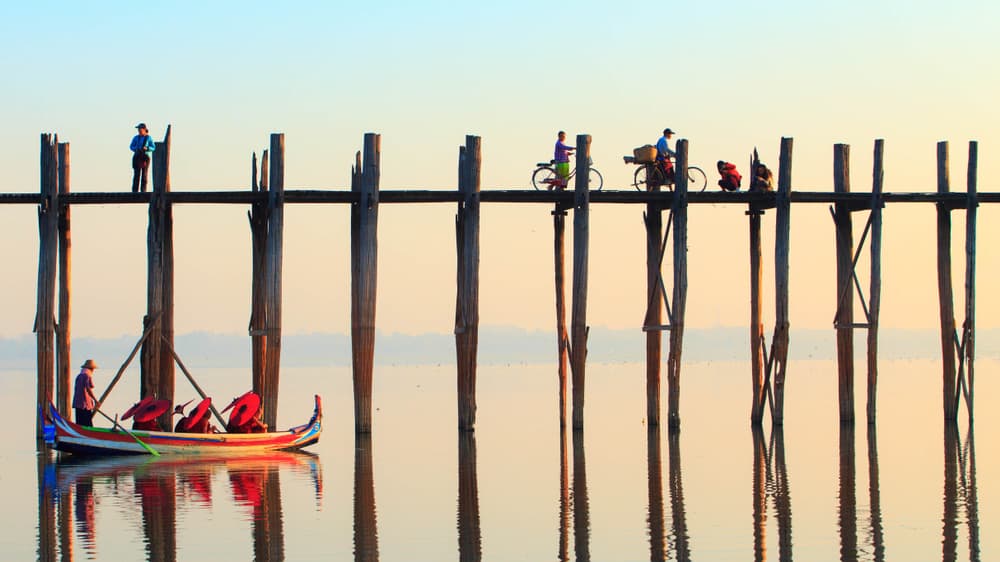
The U Bein Bridge spans Taungthaman Lake in Amarapura, near Mandalay. Built of teak around 1850, it offers a living spectacle at sunrise and sunset, with monks, fishermen, and reflections dancing on the water.
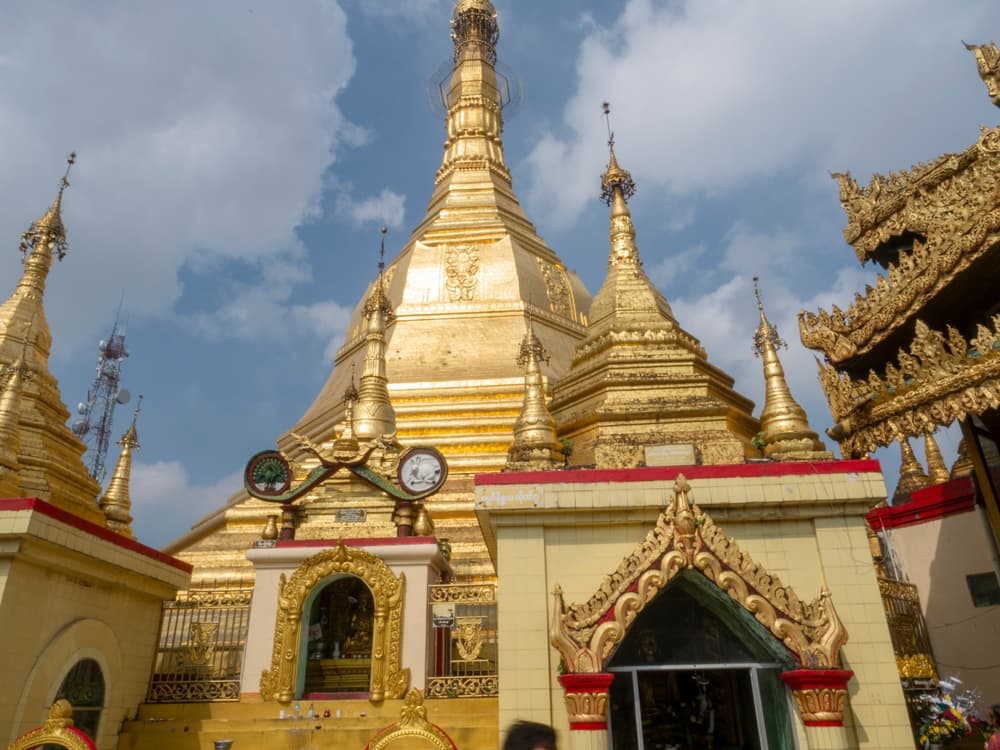
In the center of Yangon, Sule Pagoda is a golden octagonal stupa standing 44 meters tall, over two millennia old according to Buddhist tradition. An active place of worship and a historic landmark of the colonial city.
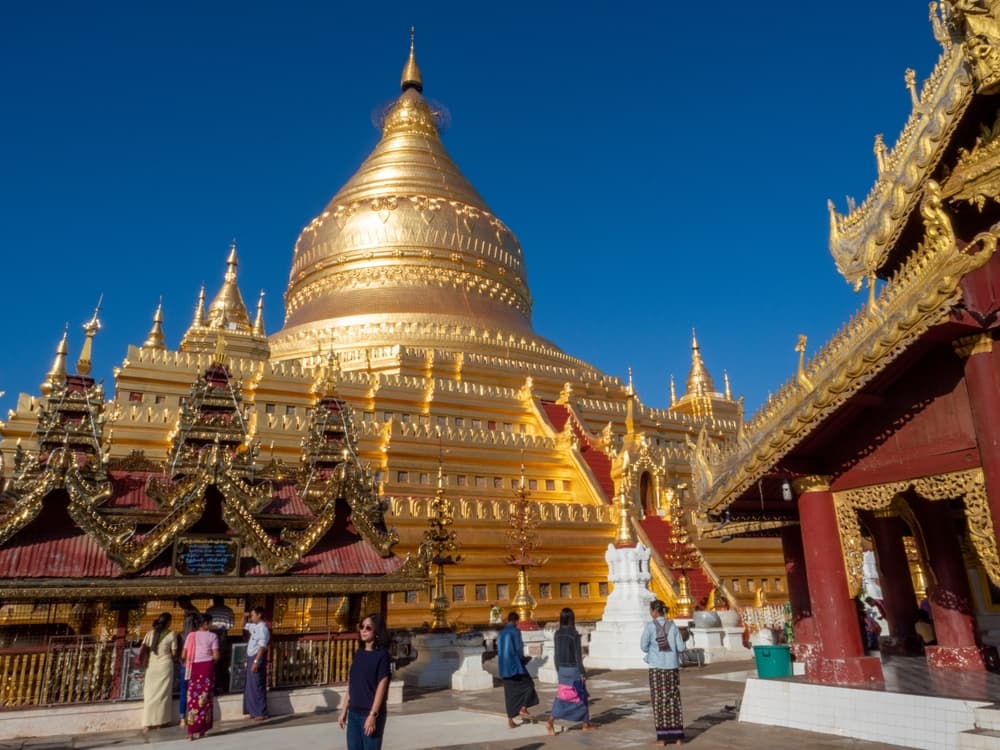
Built in the 11th century by King Anawrahta, Shwesandaw Pagoda offers from its five terraces a unique panorama over the Bagan plain and its thousands of temples.
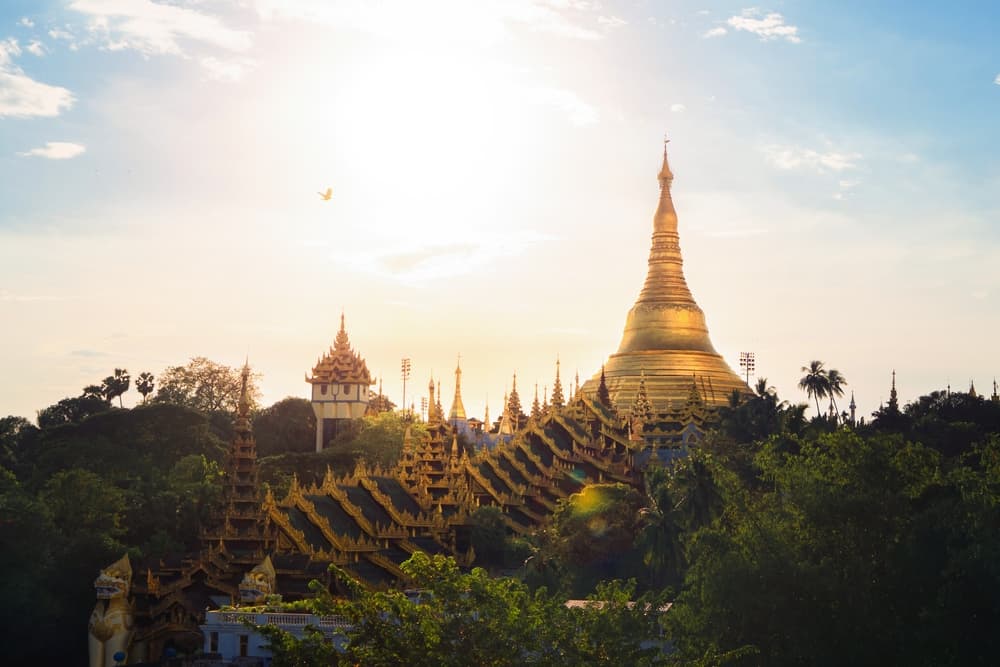
Overlooking Yangon from Singuttara Hill, Shwedagon Pagoda is the most venerated Buddhist site in Myanmar. Its gold-clad stupa, pavilions, and rituals make it an extraordinary visit.
Standing 114 metres high, Shwemawdaw Pagoda is one of Myanmar's most venerated pilgrimage sites. In Bago, two hours from Yangon, it blends a thousand years of Mon and Burmese history with vibrant daily devotion.
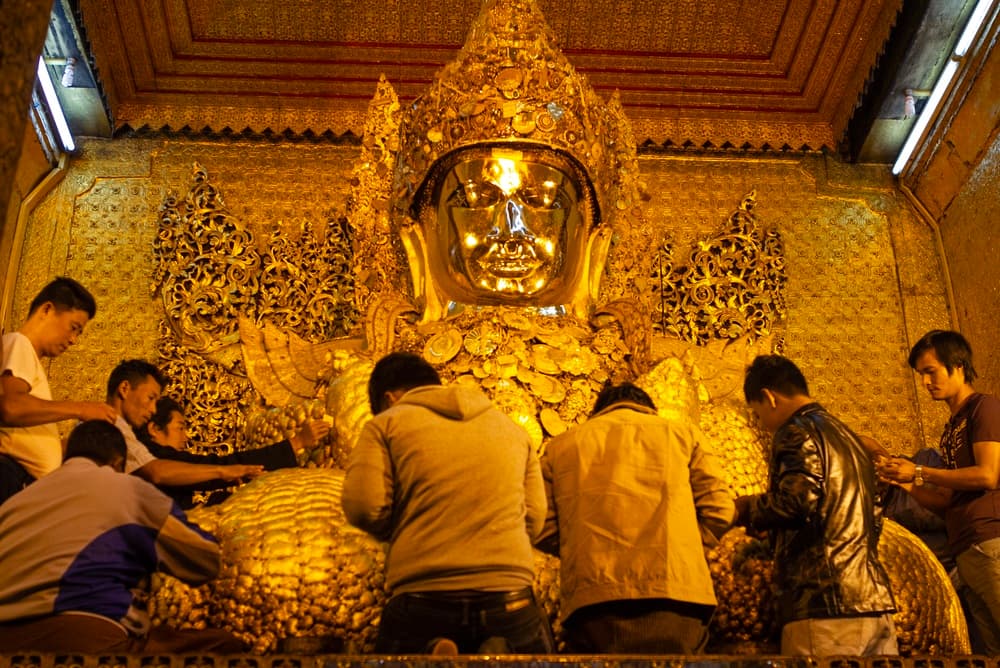
Mahamuni Pagoda houses one of the most venerated Buddha statues in Birmanie. Covered in layers of gold leaf, it attracts hundreds of pilgrims daily who perpetuate a millennia-old ritual in the heart of Mandalay.
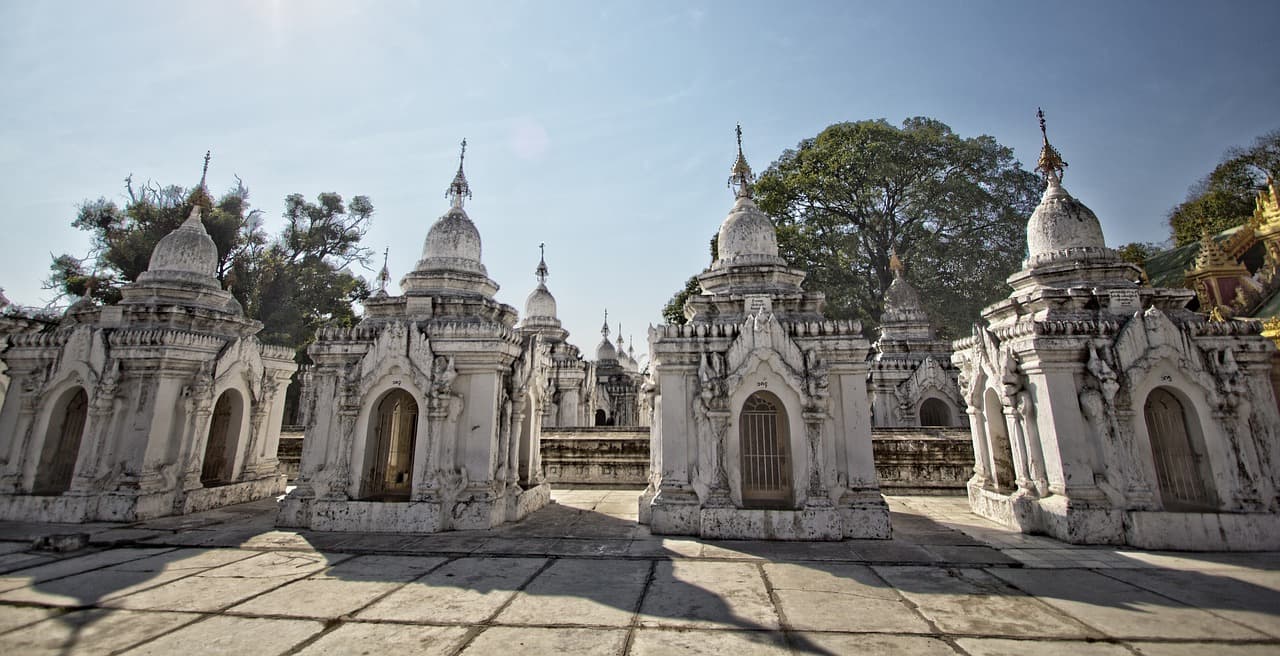
At the foot of Mandalay Hill, Kuthodaw Pagoda houses 729 marble slabs inscribed with the complete Theravada Buddhist canon—an active pilgrimage site and a masterpiece of 19th-century Burmese royal architecture.
18 of 25 results
We use cookies to improve your experience and measure our site's audience. You can choose what you accept. Learn more.